

![Algemeen bijschrift voor gehele serie: (meer specifiek, bijschrift zie onderstaand) - De sterfte onder pasgeboren baby's in de wereld blijft hoog. Vorig jaar stierven elke dag 15.000 kinderen voor het vijfde levensjaar. 46 procent daarvan - 7000 baby's - stierven in de eerste 28 dagen. Complicaties tijdens de zwangerschap of bij de geboorte zijn het vaakst de reden van het overlijden van babyÕs.
In opdracht van VII Photo Agency en Unicef, reisde ik voor verschillende magazines naar Peru, Mongolie, Mali en Bangladesh om pasgeboren babies te fotograferen.
On 7 March 2018, mother Kadidia Sangar (37) holds her newborn daughter Nahawa Kone, 10 days old, at the Referrence Health Center in Bougouni, Mali.
Nahawa Kone, girl, born premature (1.2 kg) on 26 February 2018; weight: 1.7kg. Nahawa was born one week premature and underweight on 26 February 2018 in Bougouni, Mali. The health workers taught the mother to keep the baby close to her chest so that she remains warm and doesnÕt fall sick. The mother also started breastfeeding her right after birth (a key component of SONU).
Her mother, Kadidia Sangar, 37 lives in the village of Sounkala, Yiridougou commune, Mali. She is married to Bokolon Kon, 48 (father of the baby). The family is farming rice and sesame for living and are also occasional artisanal goldminers. Nahawa is KadidiaÕs 10th child. Her first four nbabies were stillborn and another died after contracting tetanus because the mother was not vaccinated. She didnÕt have any antenatal consultations during her four previous pregnancies, nor this one, during which she would have been vaccinated against tetanus.
Kadidia Sangar says:
ÒThe delivery didnÕt take very long. I was in pain during the night, but it went fine. It was easier than the others. In the morning, I gave birth in my village. There, when they saw that the baby was small, they referred me to the district health centre. However, they didnÕt know what to do either, so they sent me here [an urban district health centre, the only urban centre].
At the centre, they gave me three types of medicines to give to my baby. They also told me to keep my baby close to my breast because she was born too small. This way, she keeps warm and doesnÕt fall sick. ItÕs my first time doing so. I also started breastfeeding her on the first day because giving her my milk helps her gain weight and strength.
My first four babies were stillborn. The fifth baby, the first girl, was born alive, but she died three days after. I had started to breastfeed her, but then she stopped drinking and started convulsing. She had tetanus, apparently. After she died, the doctors vaccinated all the other women between 15 and 49 years old, in my village to prevent the disease from spreading to other babies.Ó
In Mali, the neonatal mortality rate is 31 per 1,000 live births (2016, IGME data). Sikasso region has a neonatal mortality rate of 35 per 1,000 live births Ð slightly above the national average.](https://theviifoundation.org/app/uploads/2017/10/in-portfolio-011-ilvy-njiokiktjien.jpg)



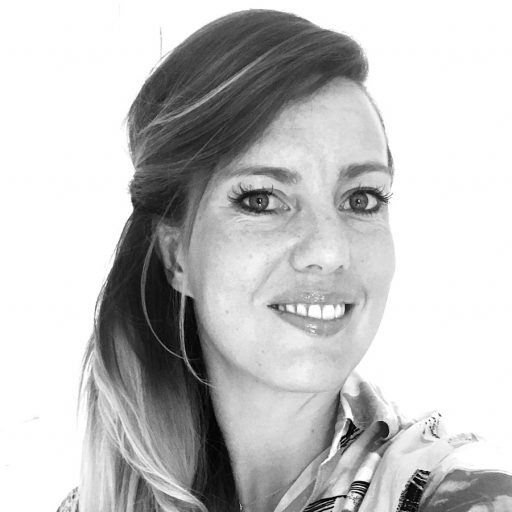
Contributing Photographer
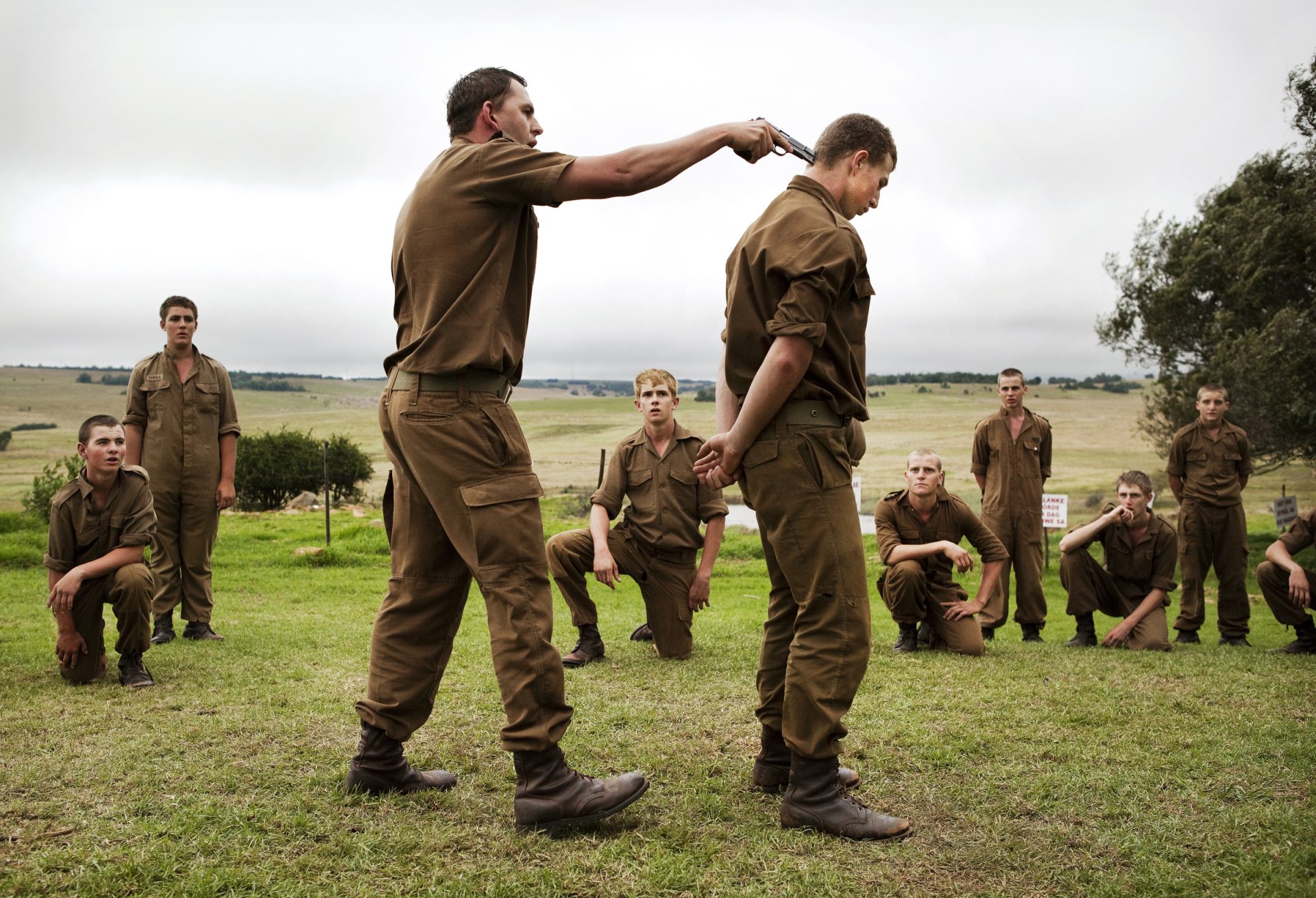
Ilvy Njiokiktjien is an independent photographer and multimedia journalist based in the Netherlands. She has worked in many parts of the world, with a focus on Africa. As a news and documentary photographer, she covers current affairs and contemporary social issues. She was born in the Netherlands, and, after leaving school, she studied for a year in South Dakota (USA) before returning home to study journalism and photography. She graduated in 2006 and started working as a freelance photographer. Her work has appeared in The New York Times, TIME, Newsweek, Der Spiegel, STERN, Telegraph Magazine and many others. Her pictures have been exhibited in several museums and photo festivals. After working on a story about right-wing organization Kommandokorps in South Africa, she was listed by PDN as one of the “30 New and Emerging Photographers to Watch.” She was also named as one of 12 participants in the 2012 World Press Photo Joop Swart Masterclass. Accolades include a Canon AFJ Award, two World Press Photo Awards, and two POYi’s Awards. In 2013, Ilvy Njiokiktjien became Photographer of the Nation in The Netherlands. In that year she travelled extensively throughout the Netherlands to photograph 100 birthday celebrations. She believes that showing the way people celebrate also shows much about their culture. She started her own multimedia company, FROG IN A TENT, together with Dutch Africa correspondent Elles van Gelder.