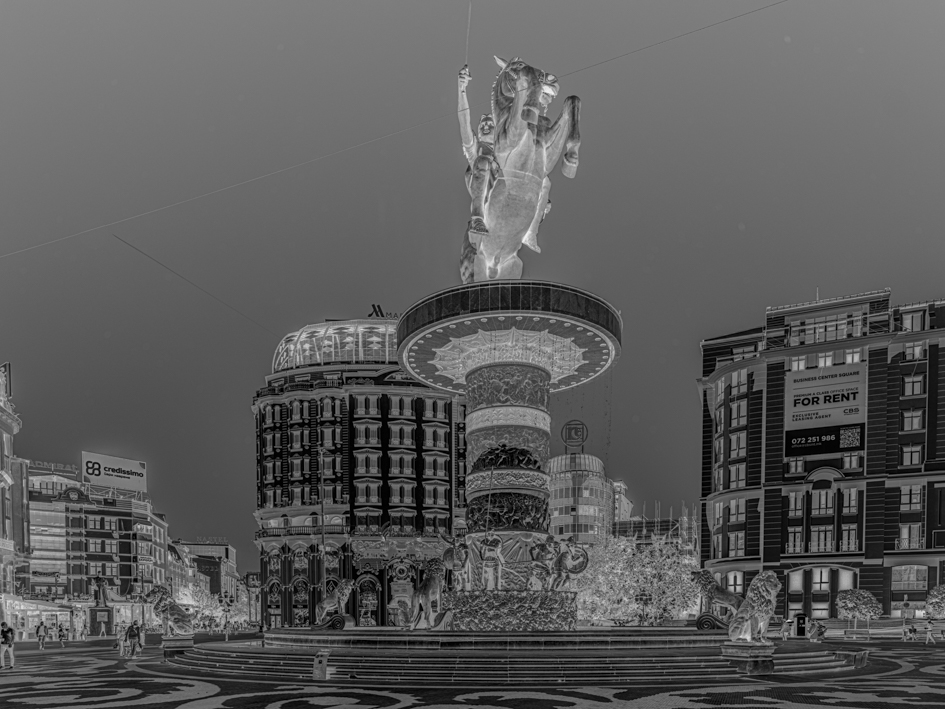
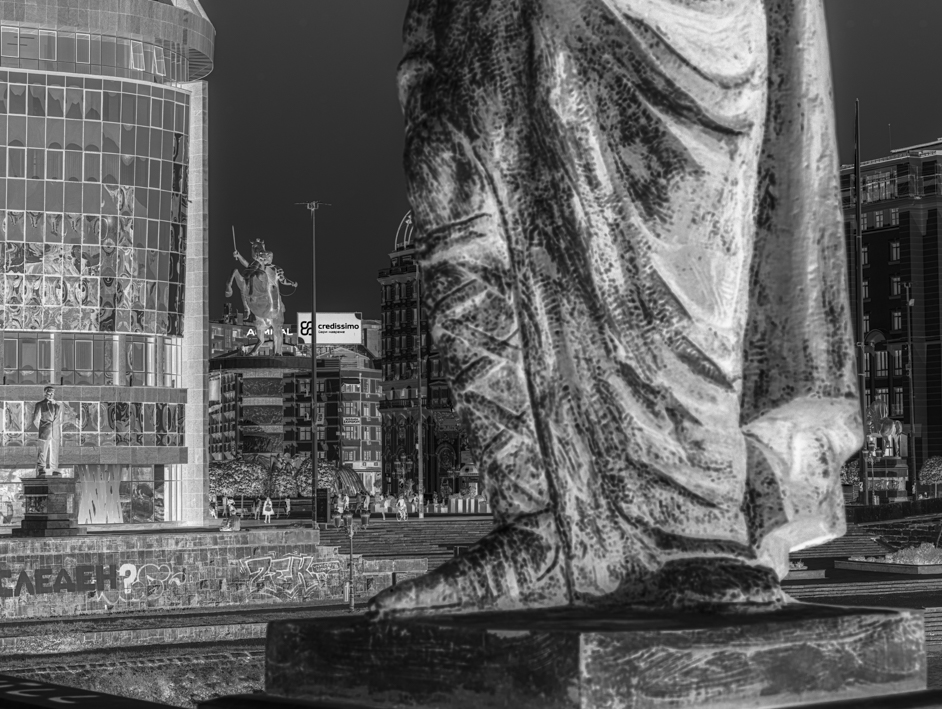
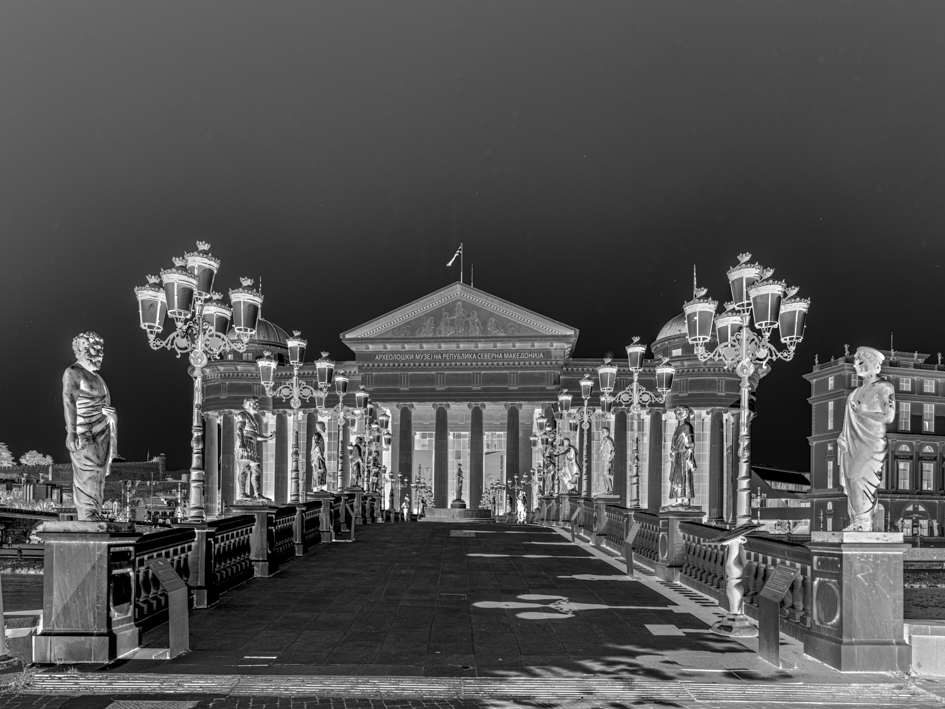
The project looks at how societies reshape collective memory and how institutions redefine, remove, or replace historical symbols over time. Different interpretations of the past now exist side by side, creating space for disinformation and competing narratives.
Atlas Europia responds to this by using culture and visual storytelling to support critical thinking, open dialogue, and a more informed understanding of European identity, especially among younger audiences.
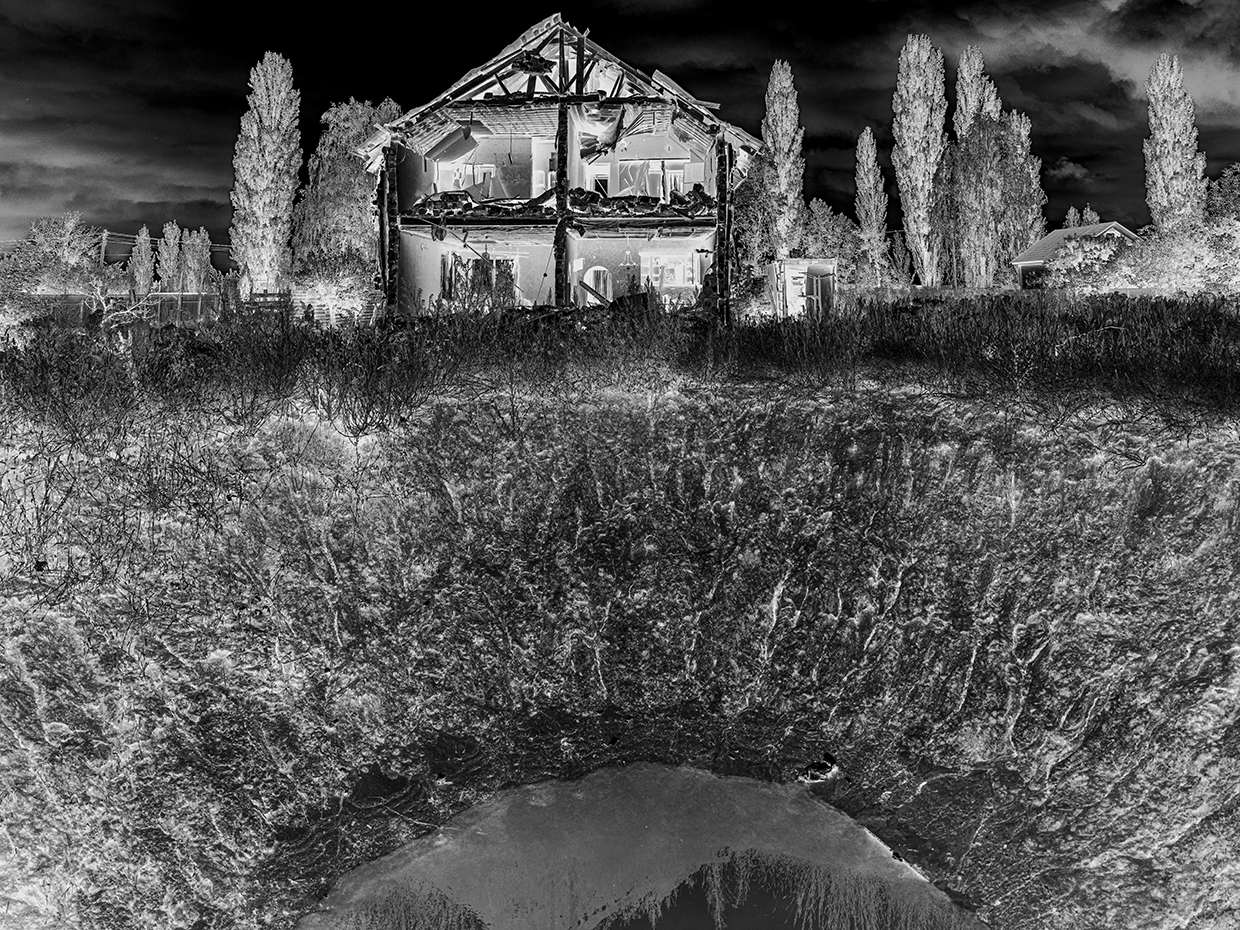
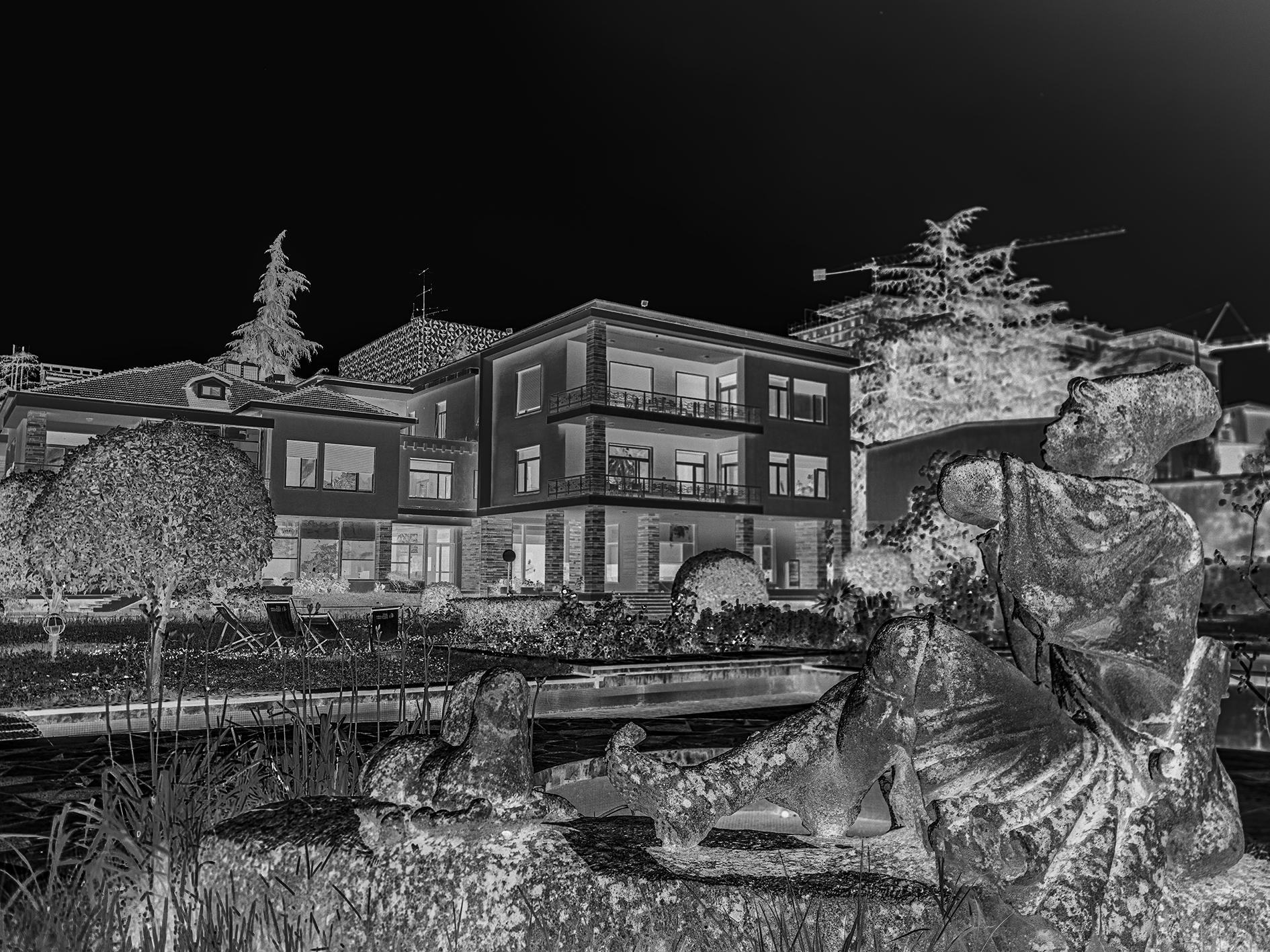
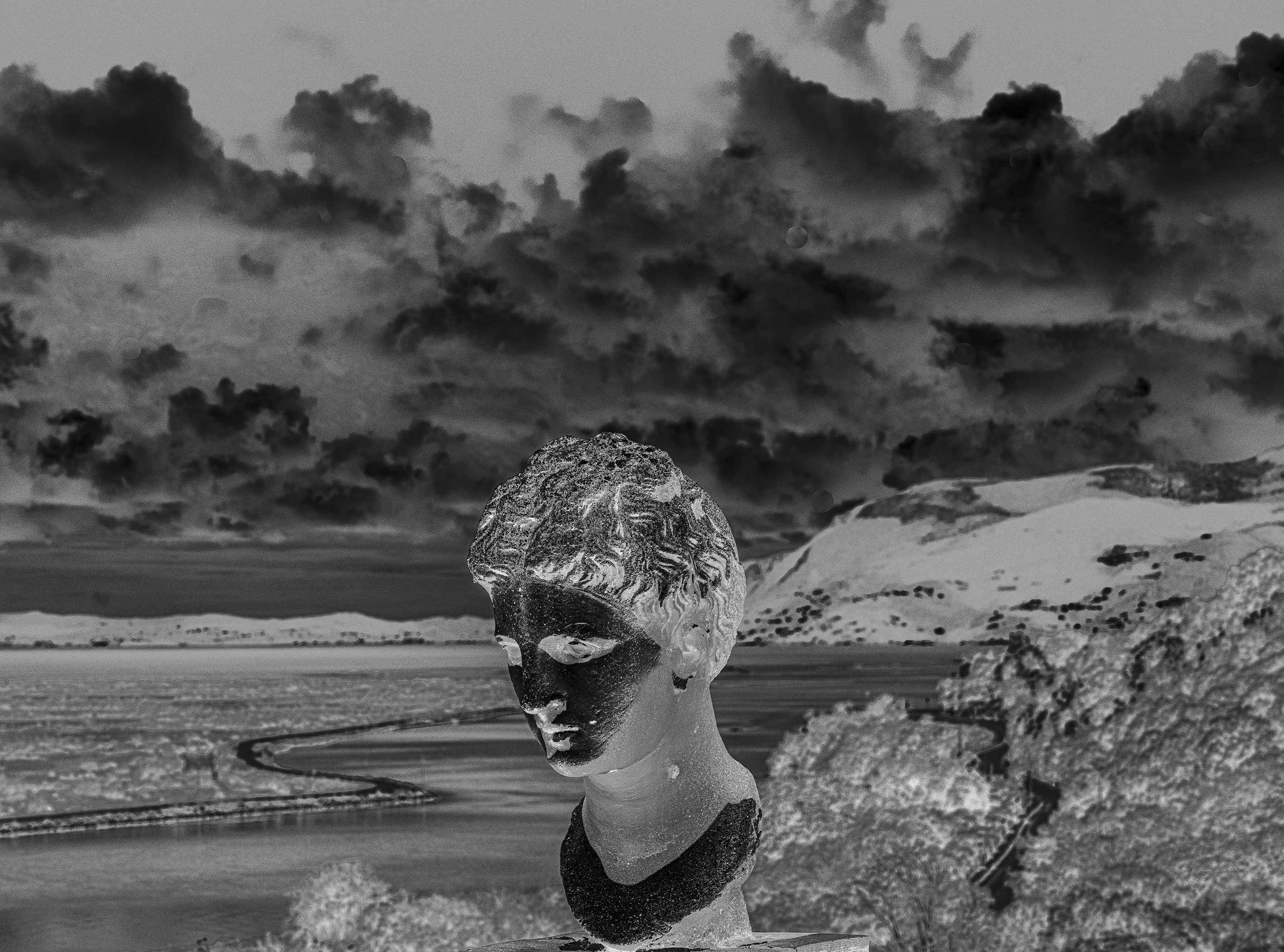
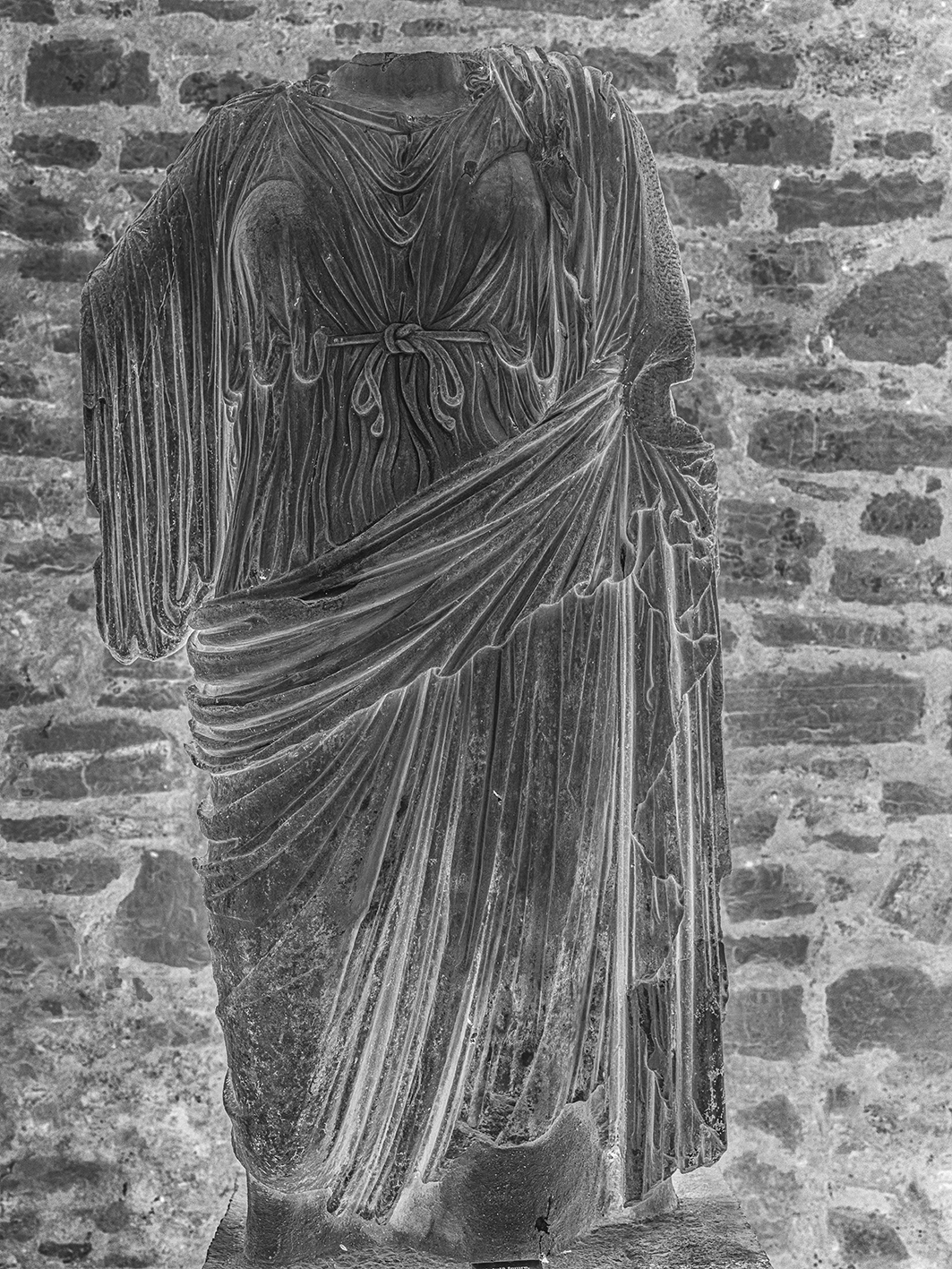
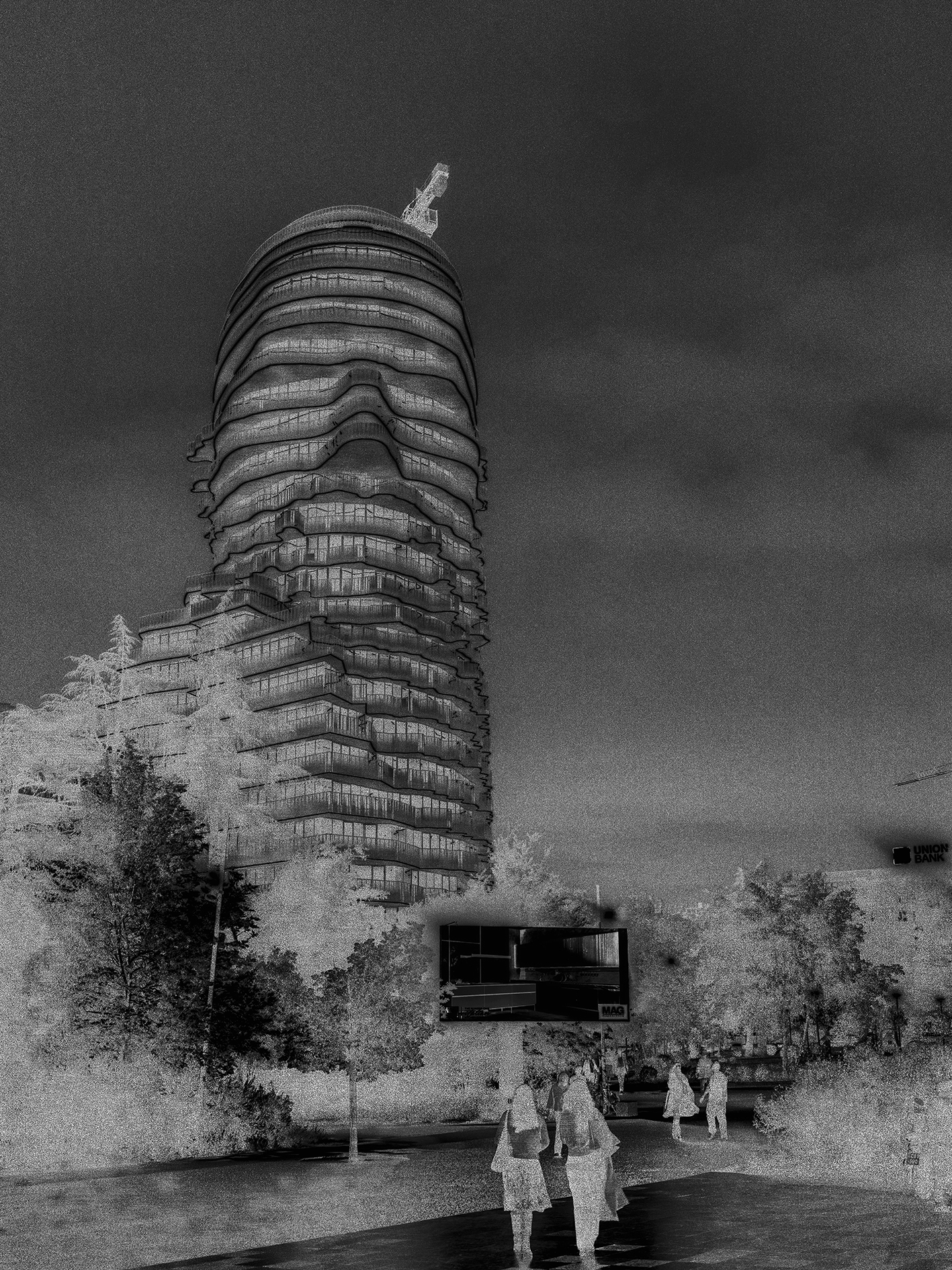
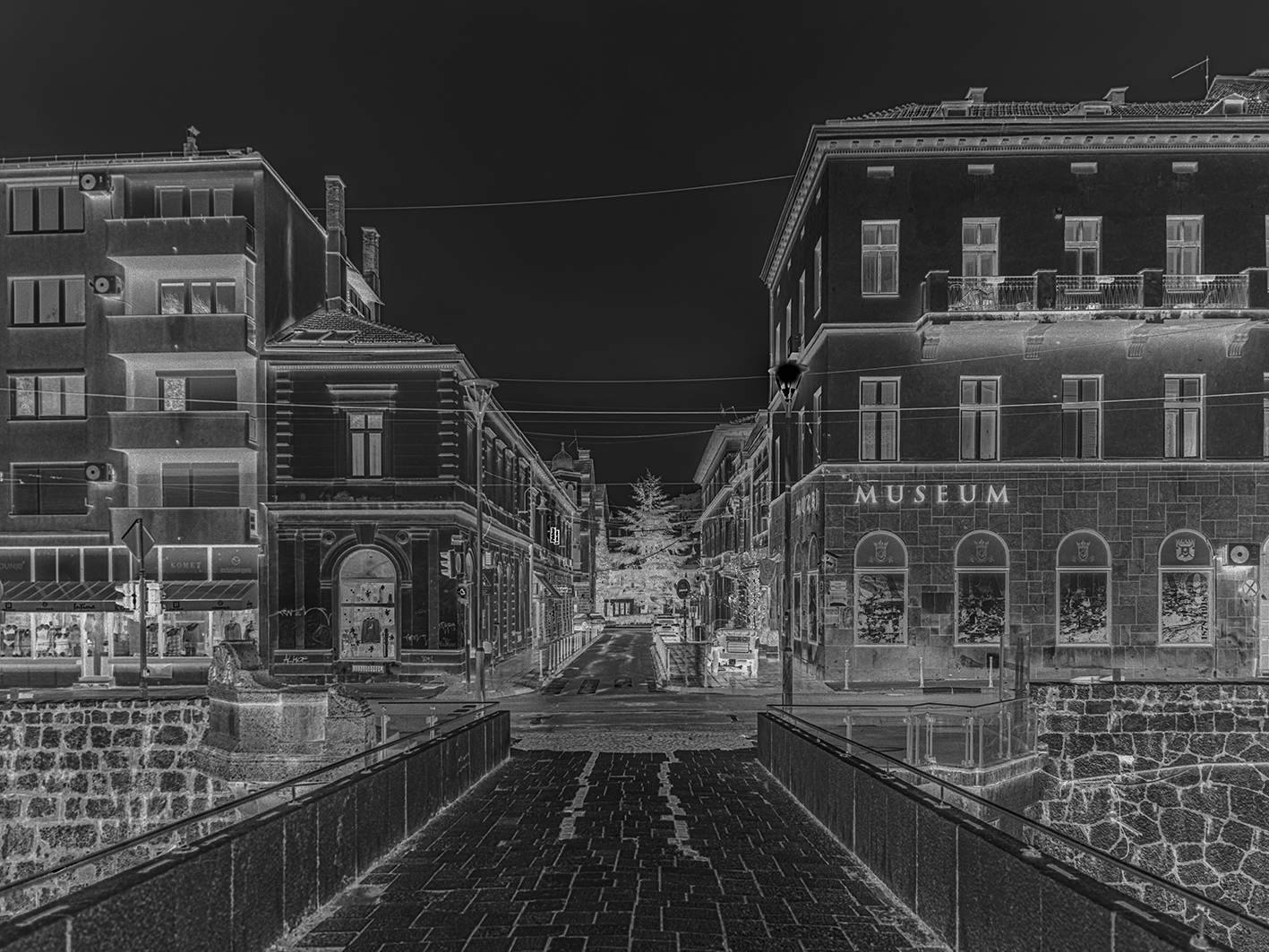
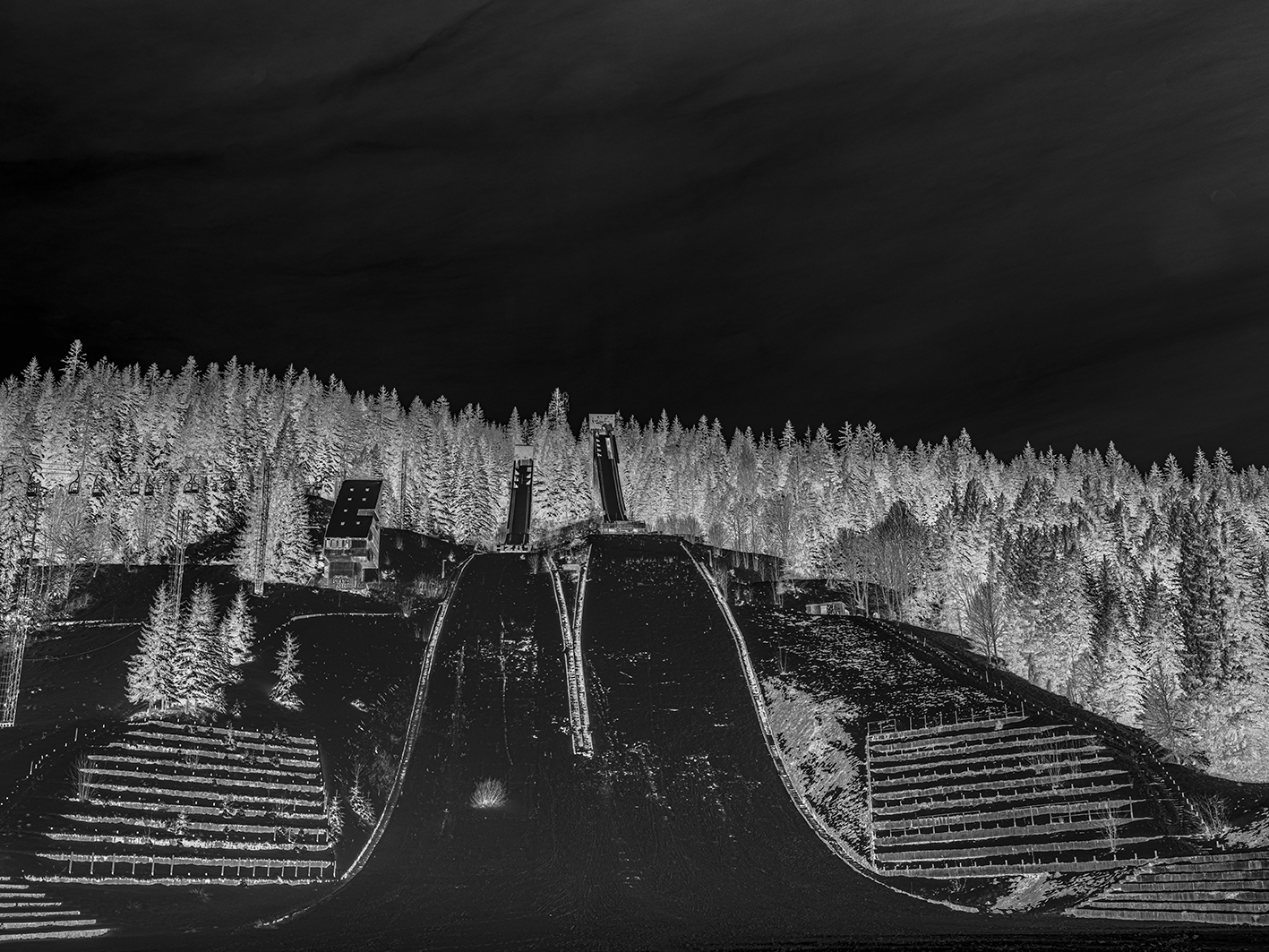
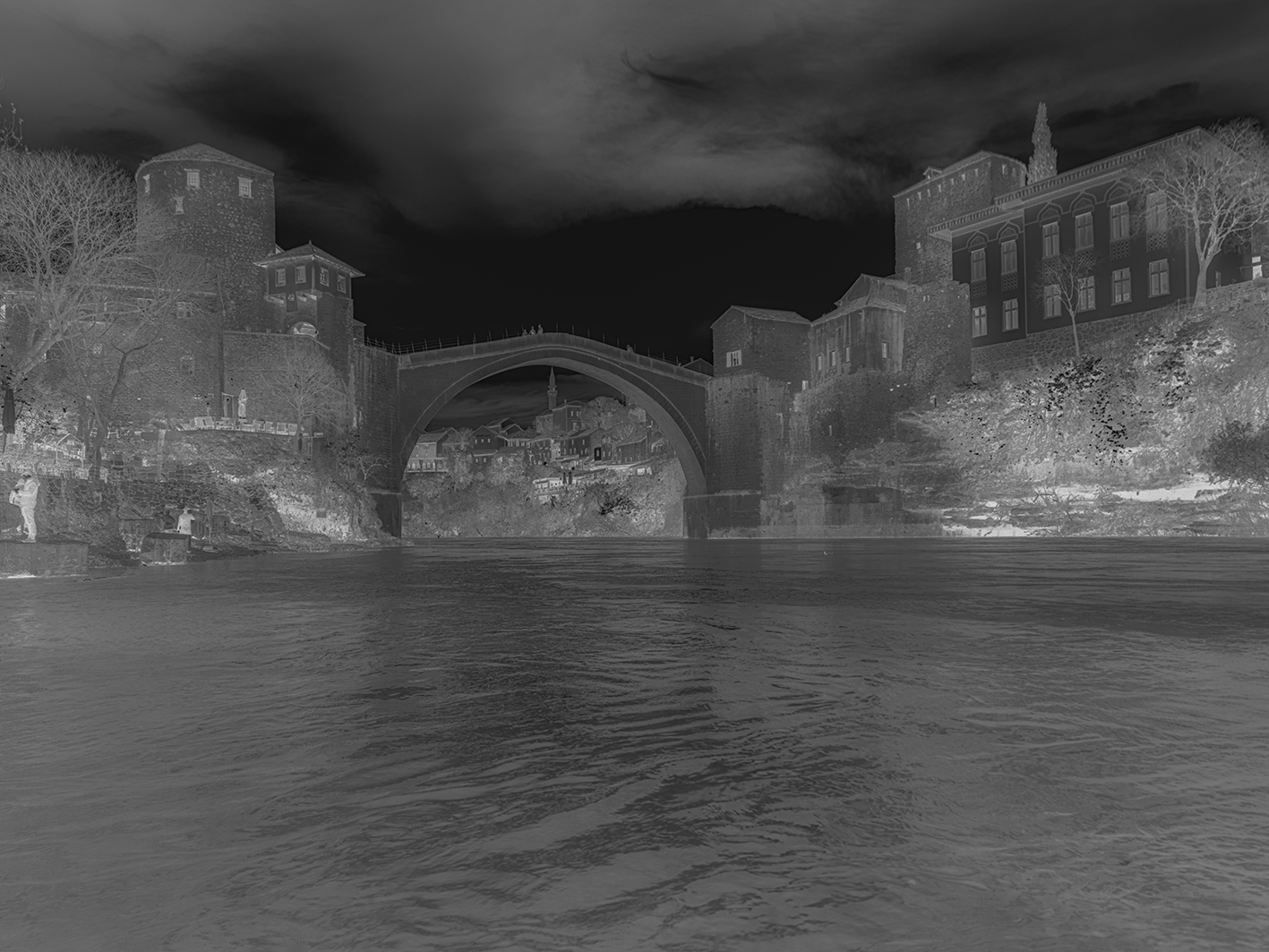
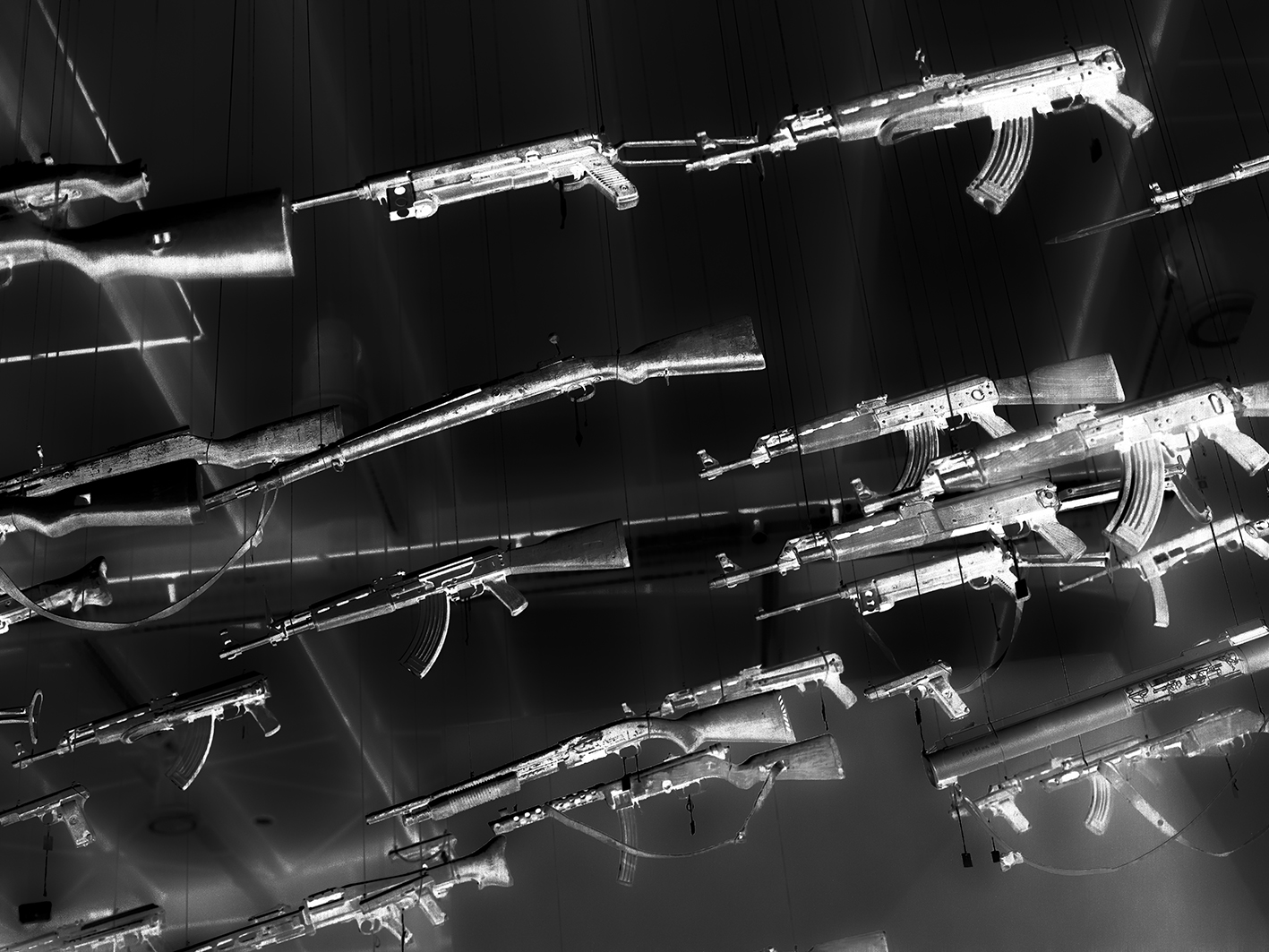
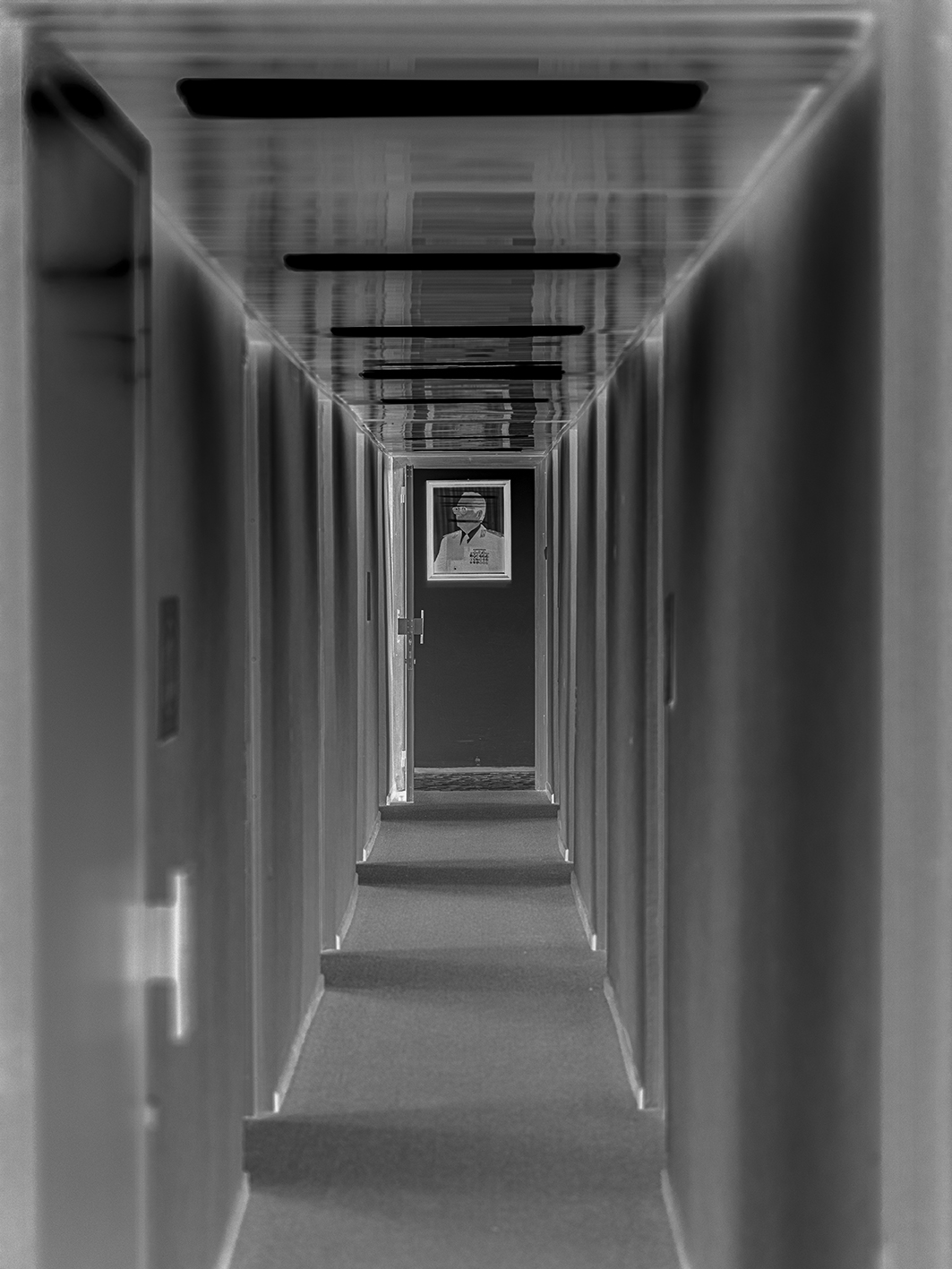
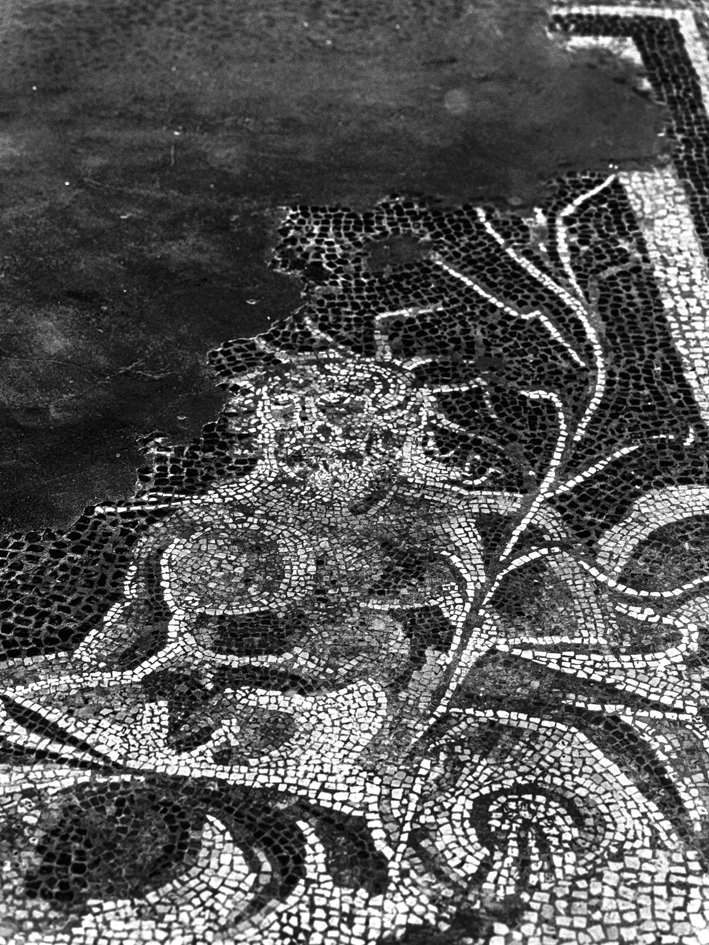
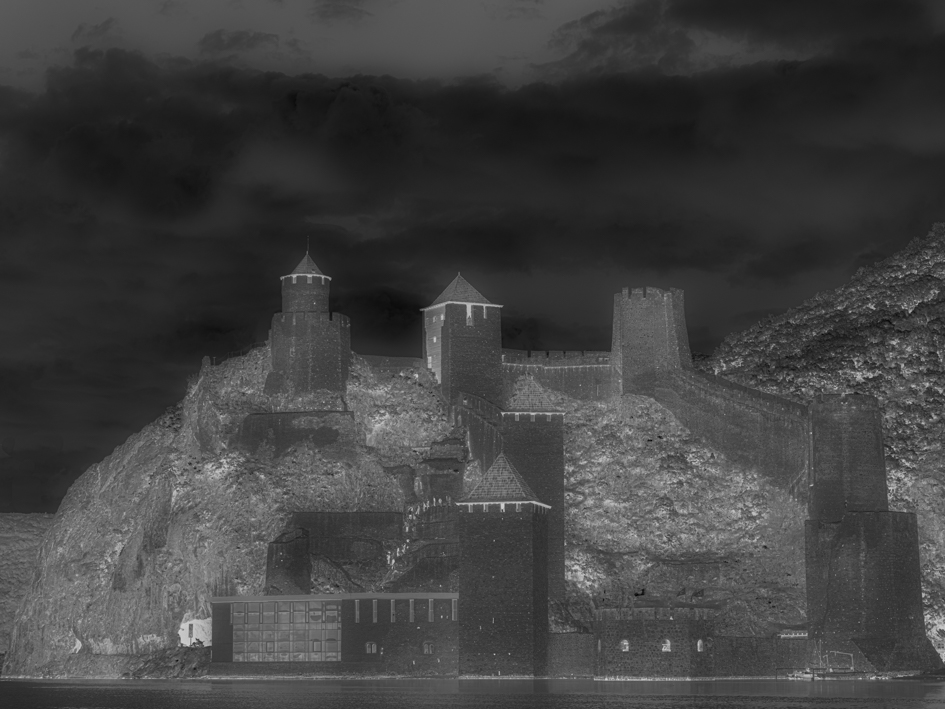
The project documents a range of locations, including memorials, monuments, historically significant sites, and places connected to political agreements and cultural figures. Together, these sites form a map of places and time that traces how ideas move, how history evolves, and how identity continues to develop across Europe.
The project is structured through a series of thematic chapters that reflect different dimensions of European history and identity. These include art and heritage, knowledge and scientific progress, political tensions and conflict, environmental challenges, and the construction of a shared European memory. This framework connects individual locations into a broader narrative about Europe’s past and its ongoing transformation.
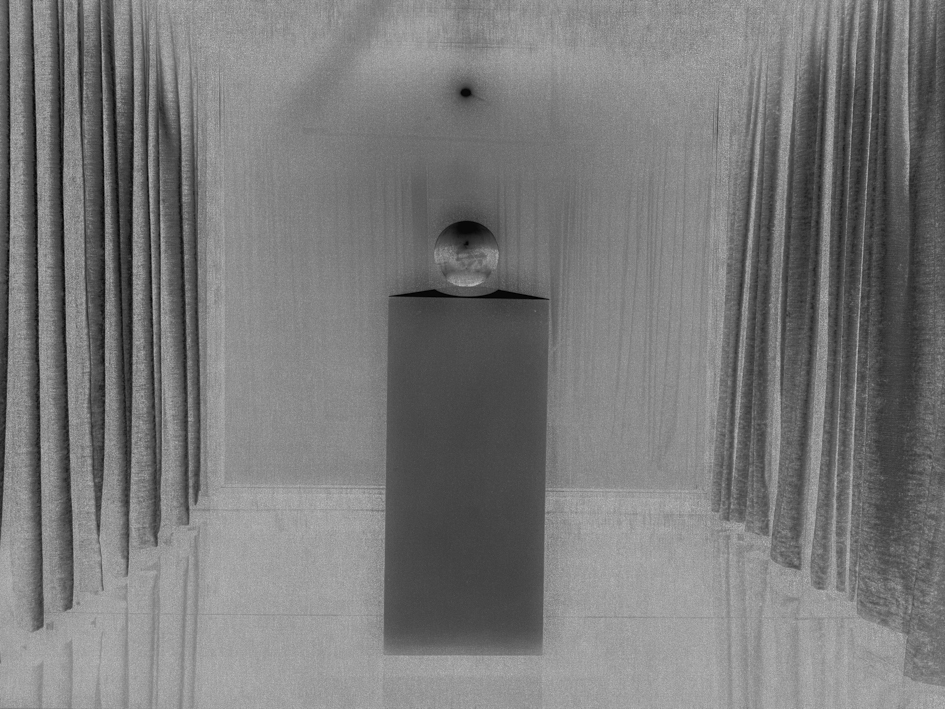
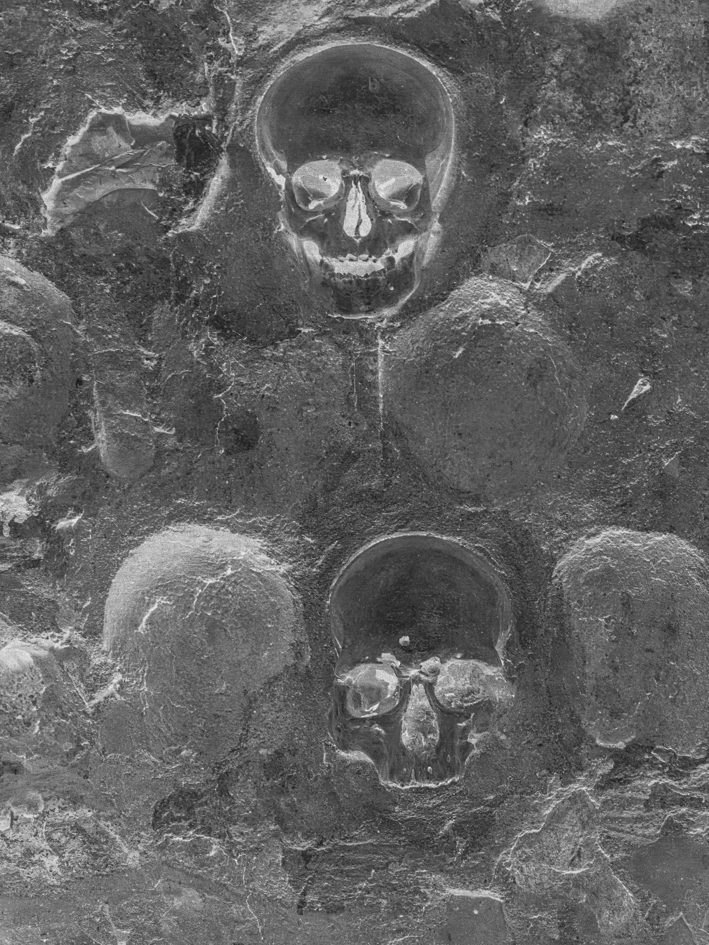
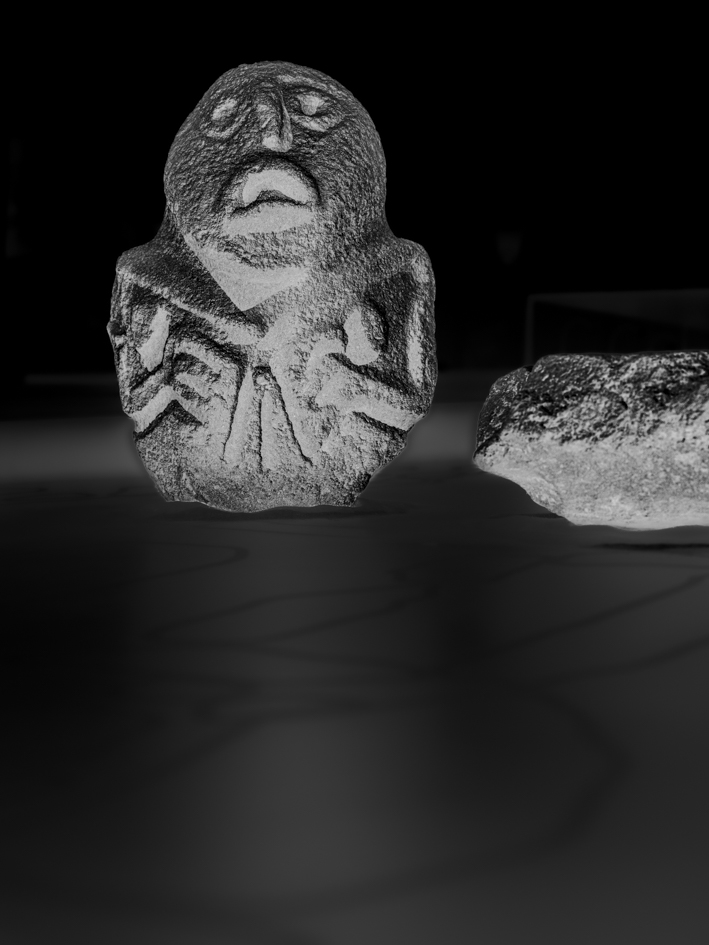
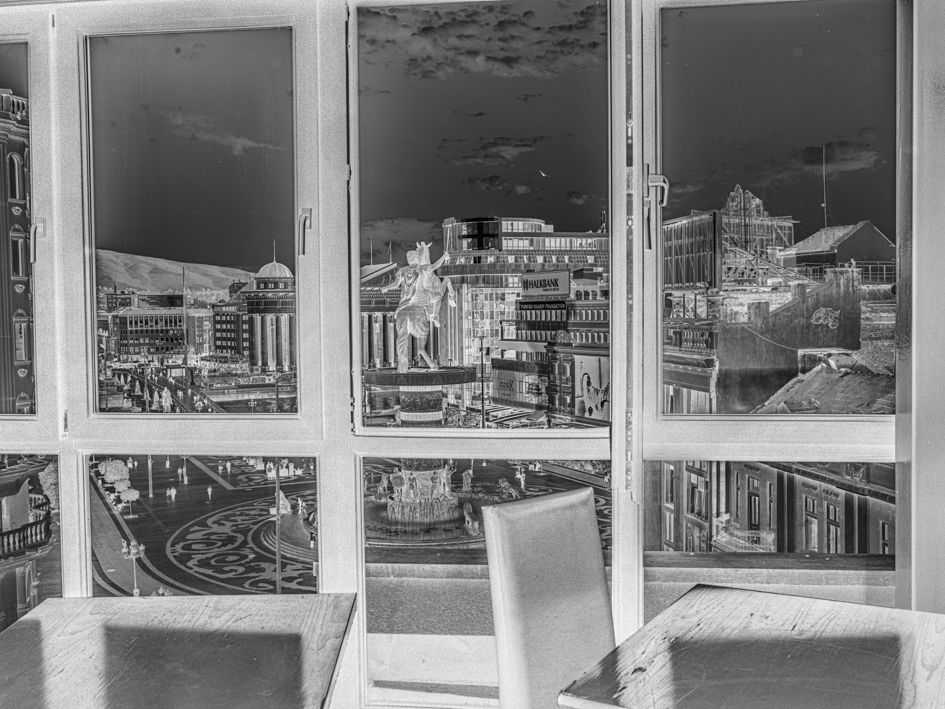
Stefano De Luigi uses a photographic approach inspired by early pinhole techniques. The images appear minimal and often blurred. They do not aim to explain. They invite viewers to look closer, question what they see, and reflect on what remains visible and what fades.
The project will conclude in autumn 2026 with a public program in Sarajevo, including a photographic exhibition and a panel discussion. The program will bring together philosophers, journalists, and cultural practitioners to explore the relationship between culture, memory, and disinformation, and to reflect on how shared narratives can take shape in contemporary Europe.
The project is funded with the support of the Franco-German Cultural Fund.