FILMS

The VII Foundation engages in social impact filmmaking as a catalyst for change. We produce short films for UNICEF,  the Global Fund, and other NGOs that promote problem solving, fundraising and public awareness of pressing social and humanitarian issues. The VII Foundation’s films are produced by five-time Emmy award-winning producer Fiona Turner. 

THE STRINGER, a documentary film by Vietnamese American director Bao Nguyen, was produced and reported by The VII Foundation with production partners XRM Media. It premiered at the 2025 Sundance Film Festival, and with 250 press reviews and stories, it is one of the most reviewed films in the festival’s history.
THE STRINGER
THE STRINGER
THE STRINGER: THE MAN WHO TOOK THE PHOTO  →

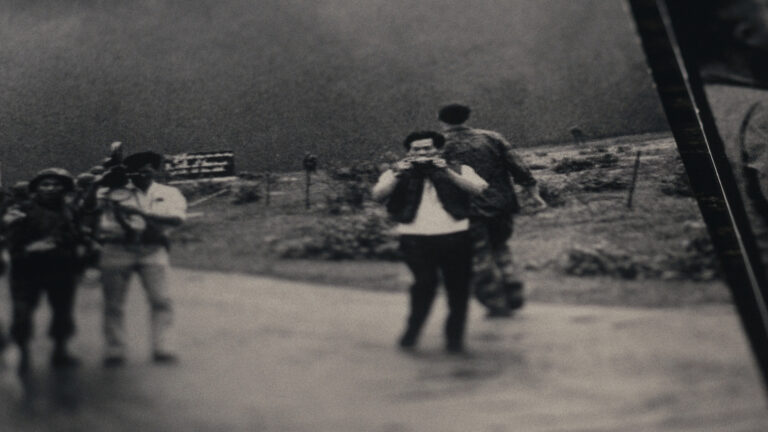
A former Saigon photo editor reveals a secret he’s been plagued with for 52 years, setting off a gripping two-year investigation into the truth behind one of the Vietnam War’s most iconic photographs. Acclaimed war photographer Gary Knight and a small team of journalists embark on a relentless search to locate and seek justice for a man known only as “the stringer.”

EAT UP  →
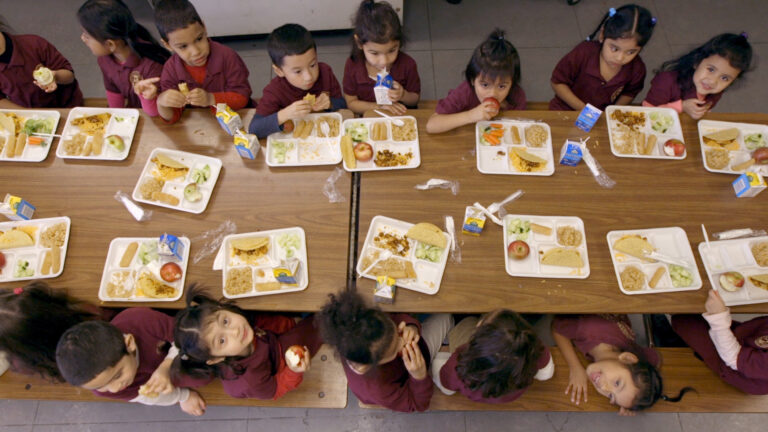
20 million kids across the United States rely on the lunches they receive free in school as their main source of nutrition. Yet, often the food they are served is so unappetizing it ends up in the trash. EAT UP follows a Boston entrepreneur as she sets out to reinvent school lunch. Over a year long journey she wrangles with bureaucracy, unwieldy regulations and a team of stalwart lunch ladies to navigate a path to replace plastic wrapped vended meals with fresh, healthy food cooked from scratch that changes the way kids both eat and learn.
"Elvis"
"Elvis"
ELVIS  →
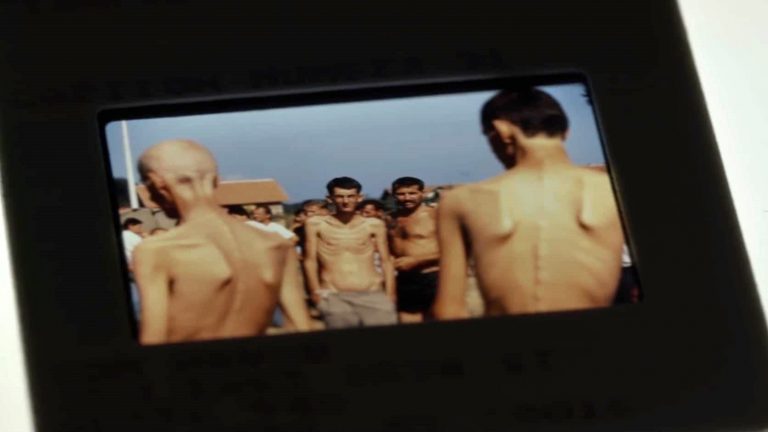
This is the story of one man’s fight for survival. From a concentration camp in northwest Bosnia to life as a refugee in New Zealand, the will to live guides Elvis Garibovic through the stuff of nightmares to find his own sense of inner peace.
"Rwanda: Beyond The Swamp"
Rwanda: Beyond the Swamp  →
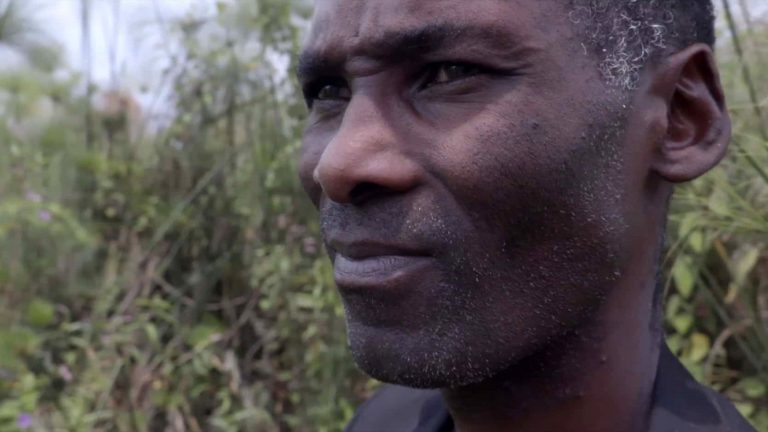
Veteran war photographer Jack Picone returns to Rwanda where the searing images of the genocide he photographed in 1994 remain deep in his psyche. He finds great progress, but also sees a nation conflicted by personal memory and the national dictate to forgive.