DESCRIPTION
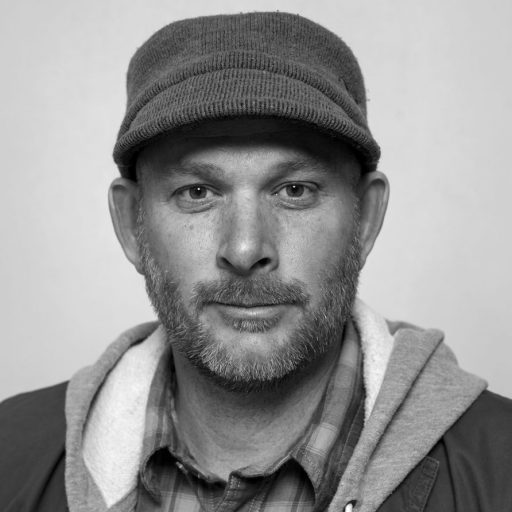
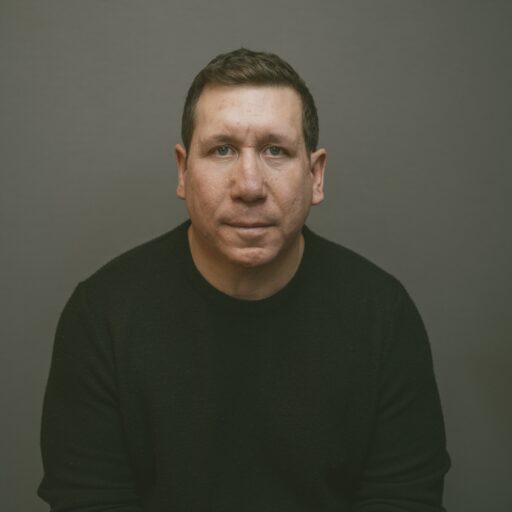
Over a period of 12 weeks this tuition-free interdisciplinary seminar (held online) will equip up to 12 participants in our program for Native Americans with the necessary tools to produce photo essays suitable for publication in an editorial context. Danny Wilcox Frazier will lead this course together with Pat Kane.
This Level 1 course is the first step in a program designed to train a total of 24 journalists — including 12 at an advanced level — with the latest skills in visual journalism to make and distribute compelling reports on the Native American experience for years to come. The program is supported by grant from the Phillip and Edith Leonian Foundation.
For this course, participants will be encouraged to report on stories in their immediate community, but the journalism skills that are taught will be applicable on both a micro and macro level.
ELIGIBILITY
This program is designed for storytellers who identify as Native American, American Indian, Alaska Native, or Indigenous to North America. Participants should have a meaningful connection to their Native communities and heritage. While formal tribal enrollment/citizenship is one way to establish eligibility, we recognize there are various ways individuals maintain connections to their Native identity and communities. Applicants may be asked to share information about their tribal affiliation or Native heritage as part of the application process.
SEQUENCE
Each week will begin with a lecture on a relevant concept in photojournalism and documentary practice. This lecture will be given by the seminar leader or a guest with high-level experience in the topic.
After this lecture, the seminar leader will brief you on the assignment, due before the following week’s class. The assignments involve key subjects and approaches in narrative photojournalism and documentary photography.
During weekly feedback sessions, you’ll present your work for discussion with the seminar leader and other students. Everyone is expected to contribute to the conversation. You will also be encouraged to work together outside of these sessions to edit and critique each other’s work.
WORKLOAD
You can expect to spend at least six hours weekly in Zoom classes/meetings and on completing assignments. The online classes must be attended in person, and you are expected to participate. Some assignments may take much more time than others. This course is intended to help those for whom education in visual journalism is necessary to progress their career. It is not a resumé builder.
Please do not apply for the course if enrolled in another education program.
KEY TAKEAWAYS
This seminar will develop your ability to work on short photo essays in an editorial context. It will help you to:
- Respond professionally and creatively to story briefs
- Understand the visual potential of ideas/situations you are researching
- Enhance your ethical literacy
- Make single documentary pictures and picture stories or series
- Produce short videos for clients
- Edit your materials
- Work to a deadline
- Present yourself and your work professionally to an editor
- Develop the skills needed to get access and permission to photograph people in different settings
ADDITIONAL INFORMATION
Although the topics and assignments in the first half of the course may initially appear basic to more experienced photographers, our advanced alums have found that completing the assignments helped them to become more thoughtful practitioners.
Level 1 courses are the beginning of The VII Foundation’s educational pathway. To be considered for Level 2 courses, participants must obtain a passing grade in Level 1. Students who miss more than two classes will not receive a passing grade and will not be considered for Level 2.
Participants who have completed Levels 1 and 2 with a passing grade may be invited to apply to attend Level 3, an intensive, in-person program, often held at either The VII Foundation’s Alexandra Boulat Campus in Arles, France, or the foundation’s center in Sarajevo, Bosnia Herzegovina.
Timeline
Chosen participants will be emailed to register about two weeks before the class begins. Applicants who are not selected to attend will be notified once the class is full, which may be only a week before the class begins.
Course leaders will hold the class at times according to their schedule and will accommodate participants’ schedules when possible. This means that classes may take place in the evening. If you have a set work schedule, please let us know as early as possible.
Apply Now
Eligible applicants (see details at the top of the page) who wish to apply for this tuition-free program should complete an application form. (Please register for AwardForce, then select the name of this program.)
Application deadline: June 29, 2026, at 23:59 EST.