
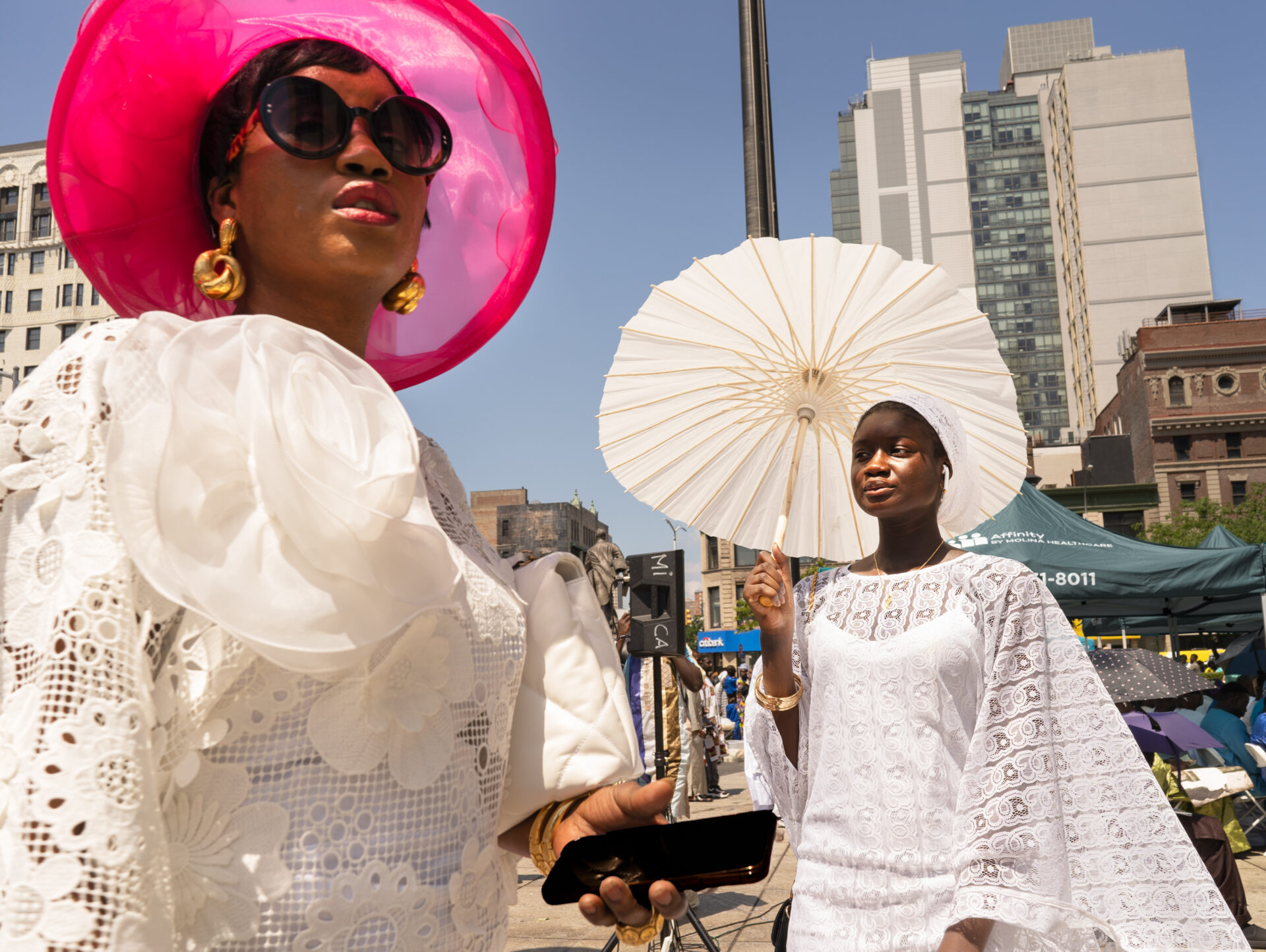
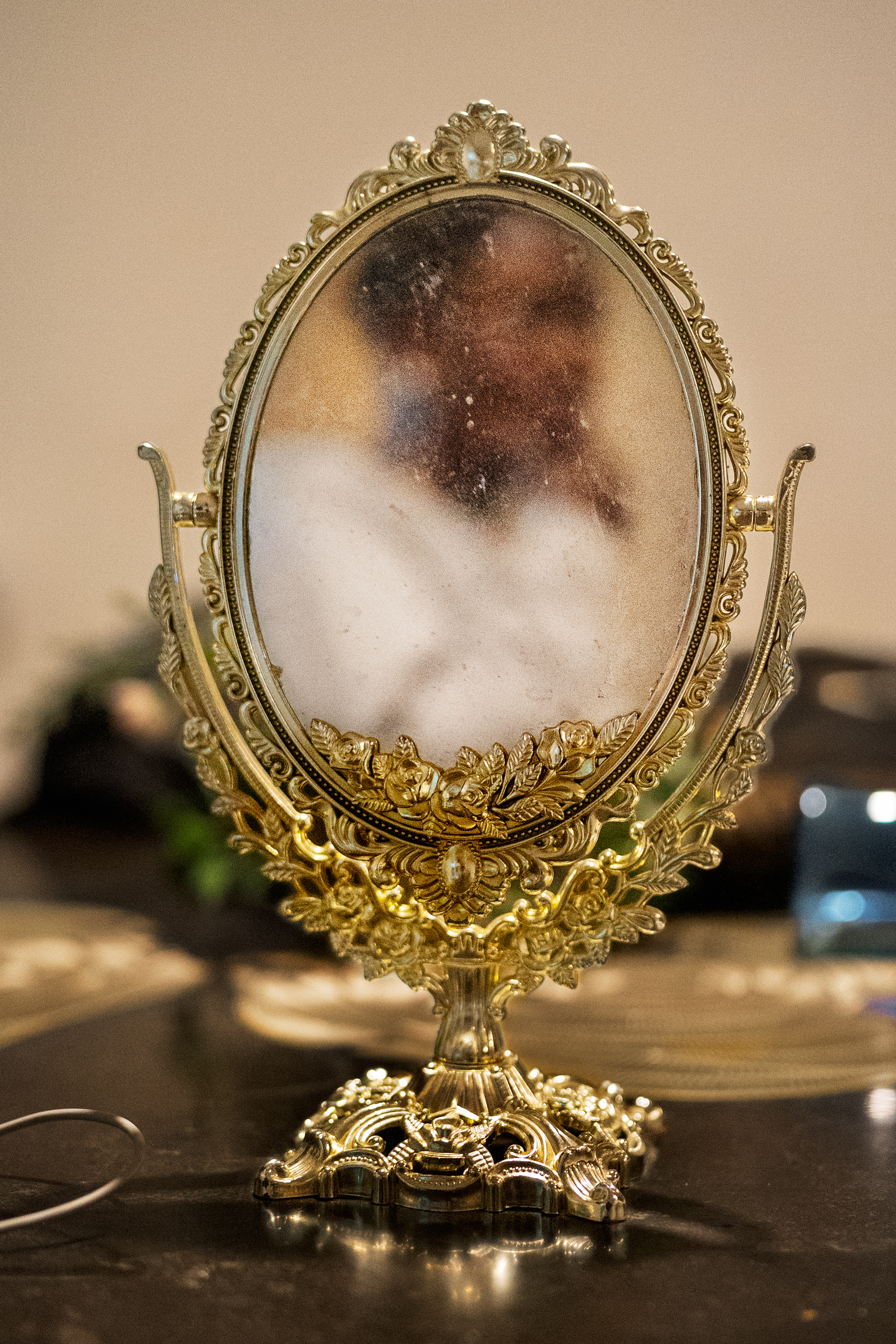
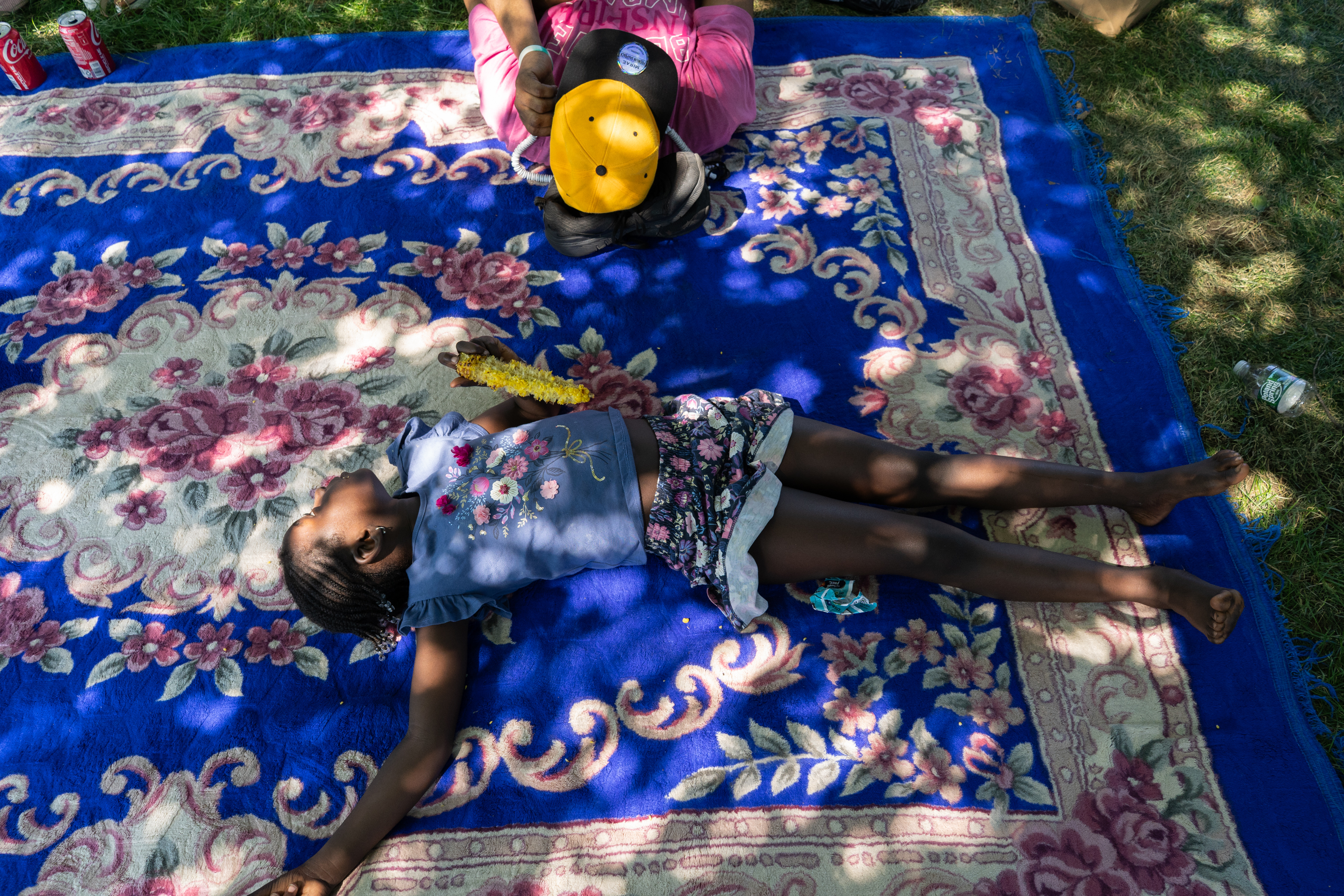
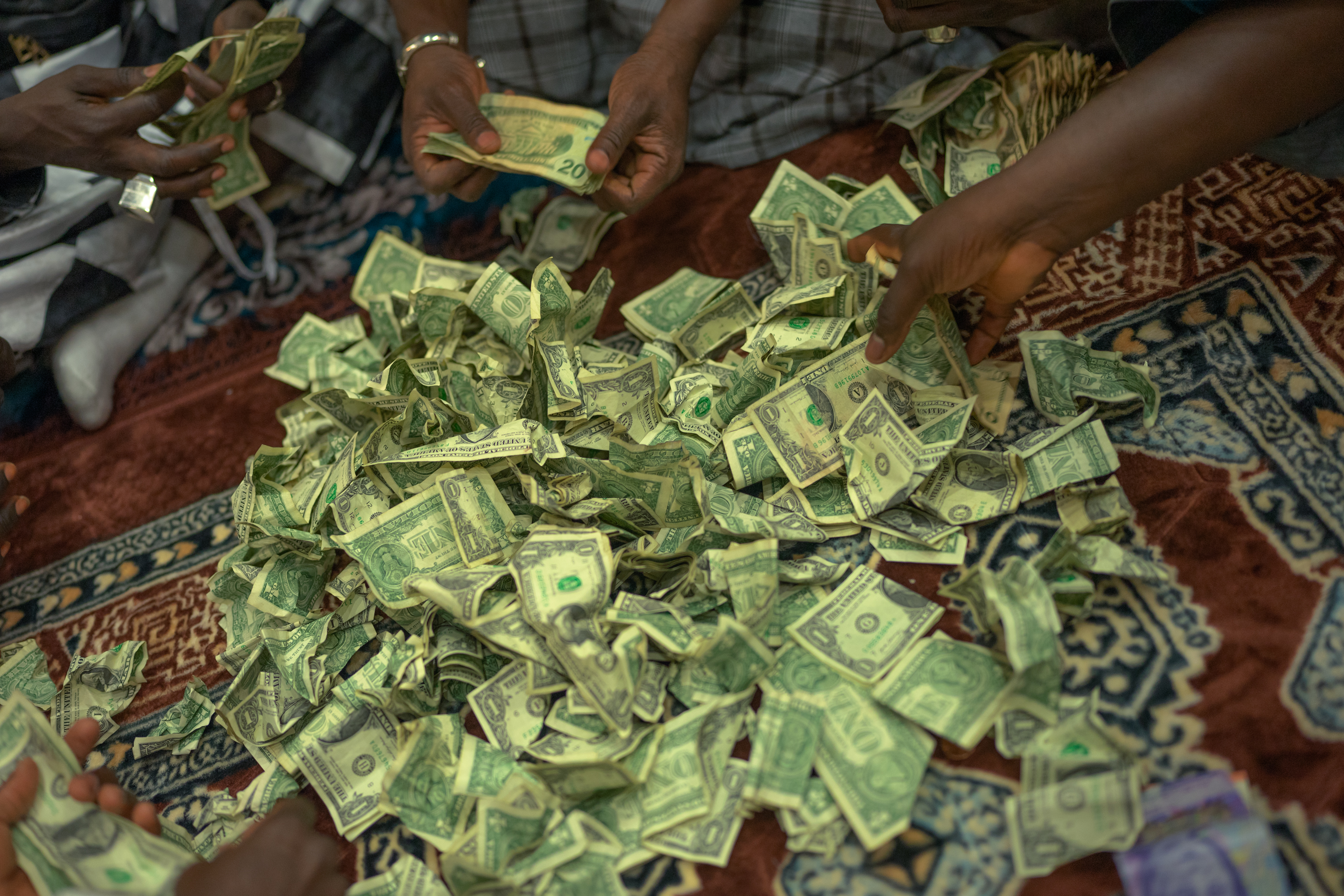

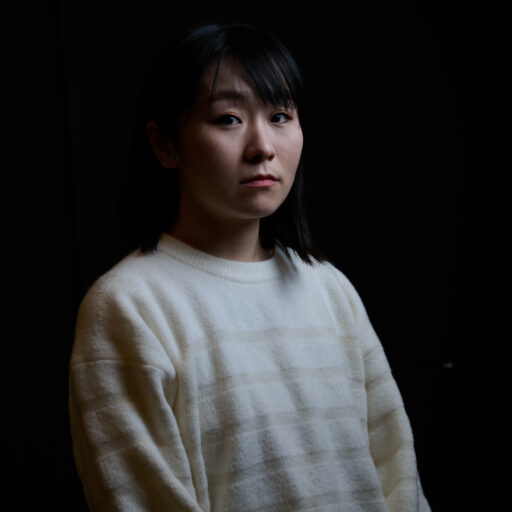
Arisa Haboshi is a Japanese human rights researcher and photographer based in New York City, documenting migration, labor, and faith within Senegalese communities. Her work examines how post-colonial structural violence shapes daily life – economically, politically, and socially – while highlighting the quiet resilience that sustains the community.
In 2017, she graduated from Osaka University, with a Bachelor of Arts in Language and Culture, majoring in Swahili Language and African culture. During her time at the university, she spent one year in Tanzania, where she studied Swahili culture and literature.
She began her career as a marketer for Sony’s camera products, where she started photographing nature in Sendai and her community in Nara and Tokyo, Japan. After approximately four years at Sony, she earned a Master’s degree in Sociology, Human Rights and Politics from the London School of Economics and Political Science. Her thesis focused on measures to prevent and address adverse human rights impacts on a community in Tanzania caused by a gold mining company. During her studies, she contributed to two NGOs in Japan as a researcher and writer, focusing on the responsibility of business enterprises.
After graduation, she worked for the International Labour Organization (ILO) as a co-researcher. She traveled and conducted interview research at dozens of factories, labor unions and government agencies located in Bangladesh, Cambodia and Vietnam. The report, Responsible Business Conduct and Human Rights Due Diligence: Good Practices of Japanese Companies (2024) was published. She has continued taking street photography in Tokyo and London after she left Sony.
In 2024, she started to study documentary practice and visual journalism at the International Center of Photography in New York. She developed a reporting style that blends ethnographic research with visual storytelling to illuminate underreported communities.
PROJECT STATEMENT
New York Baye Falls
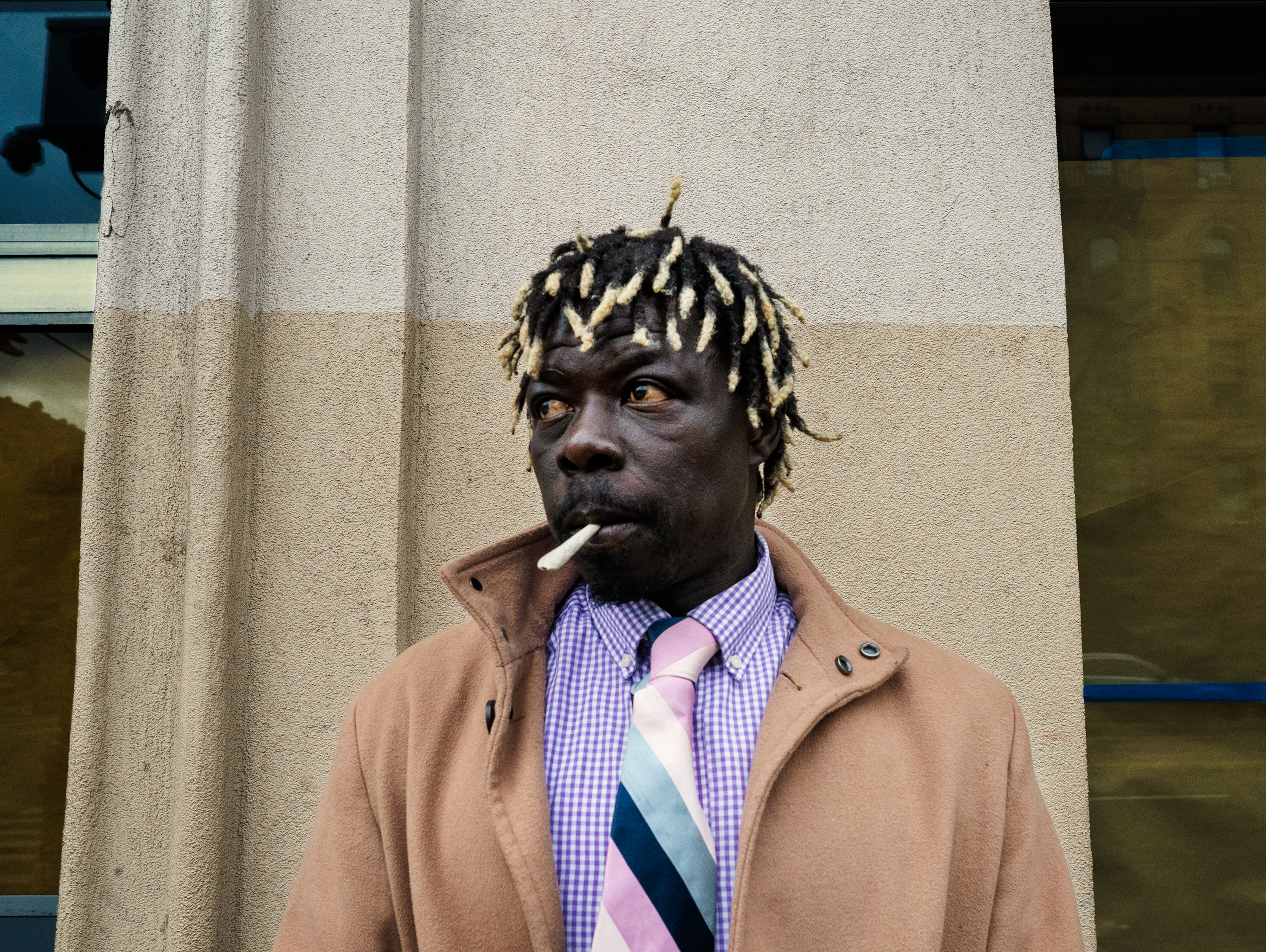
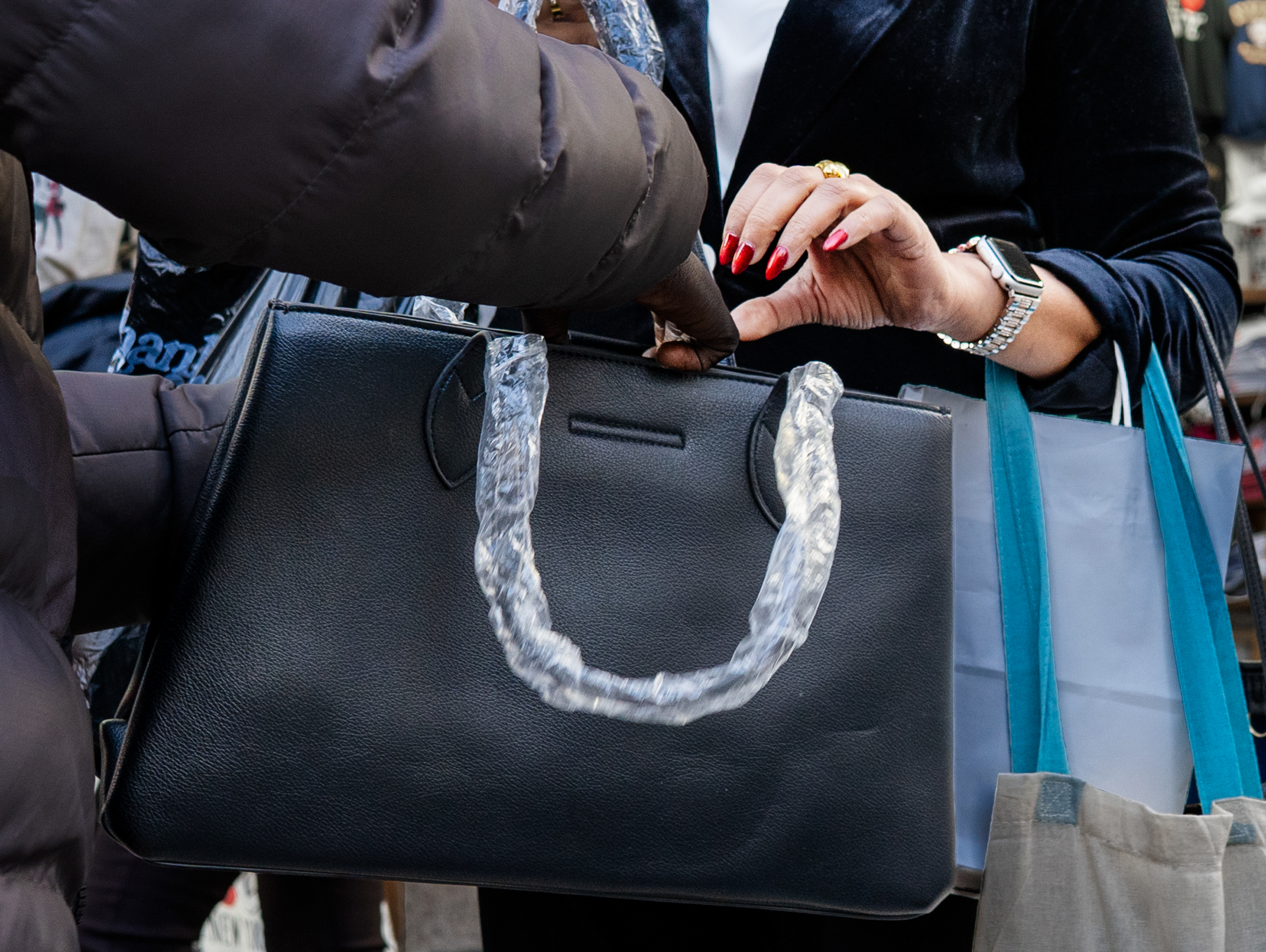
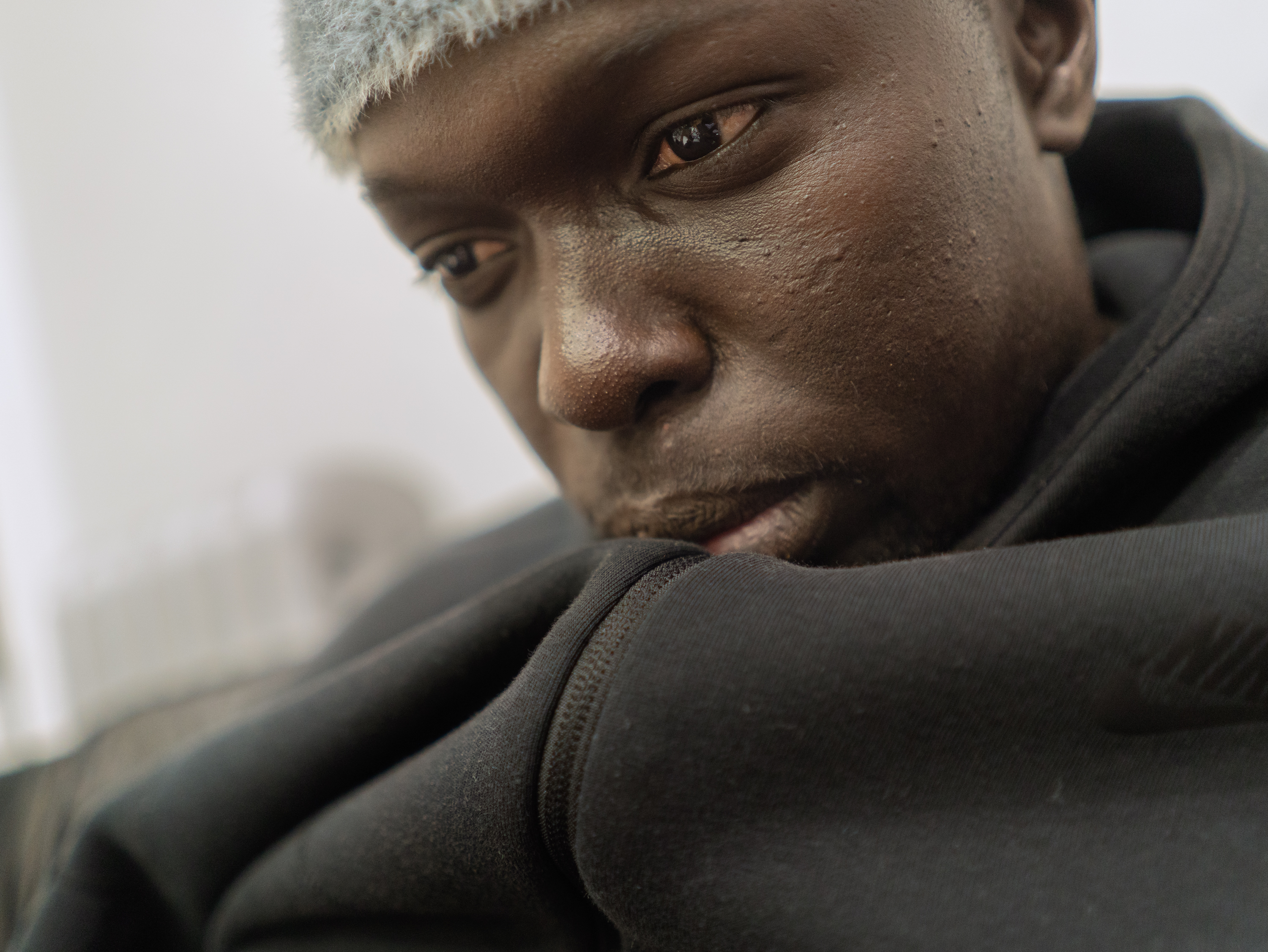
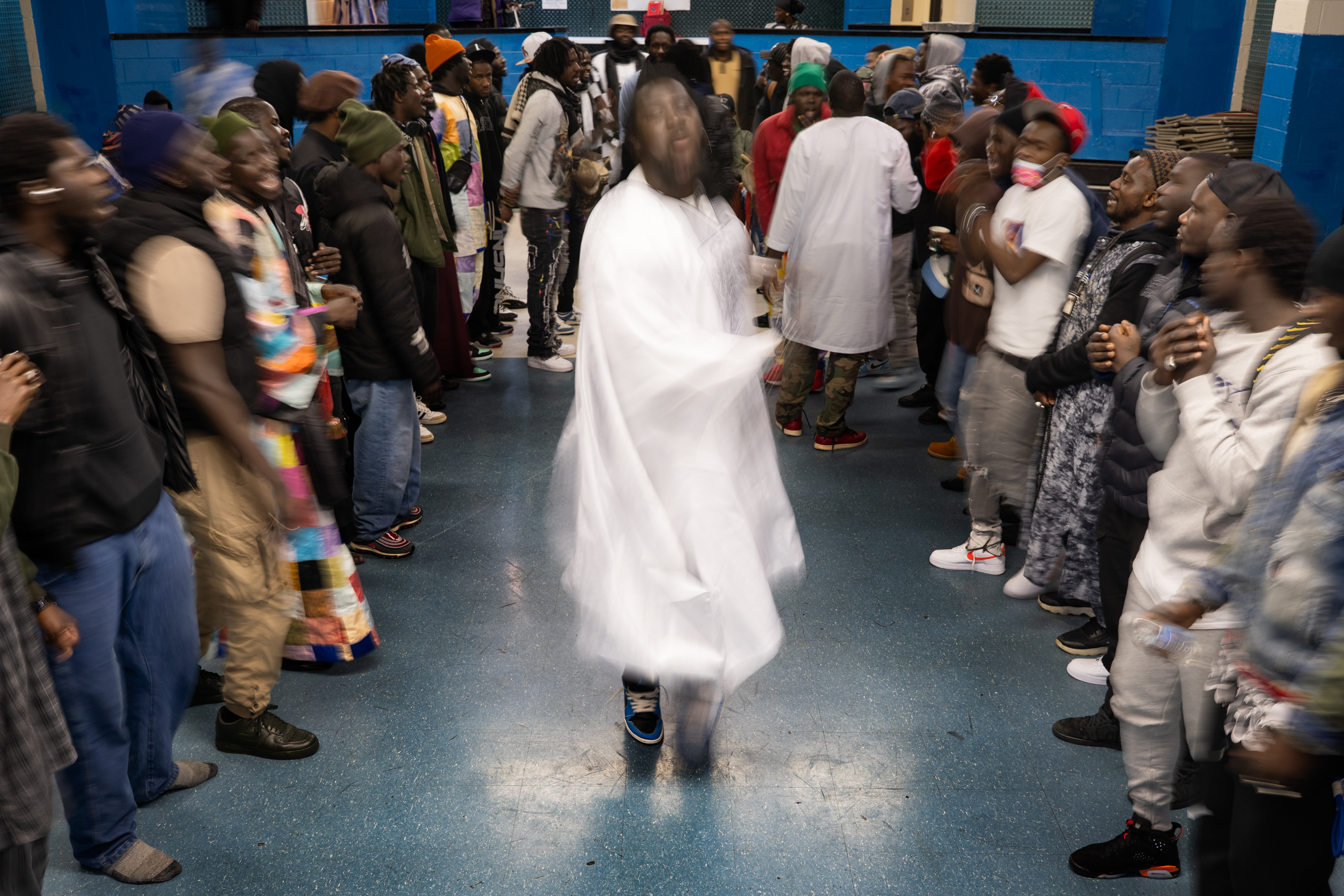
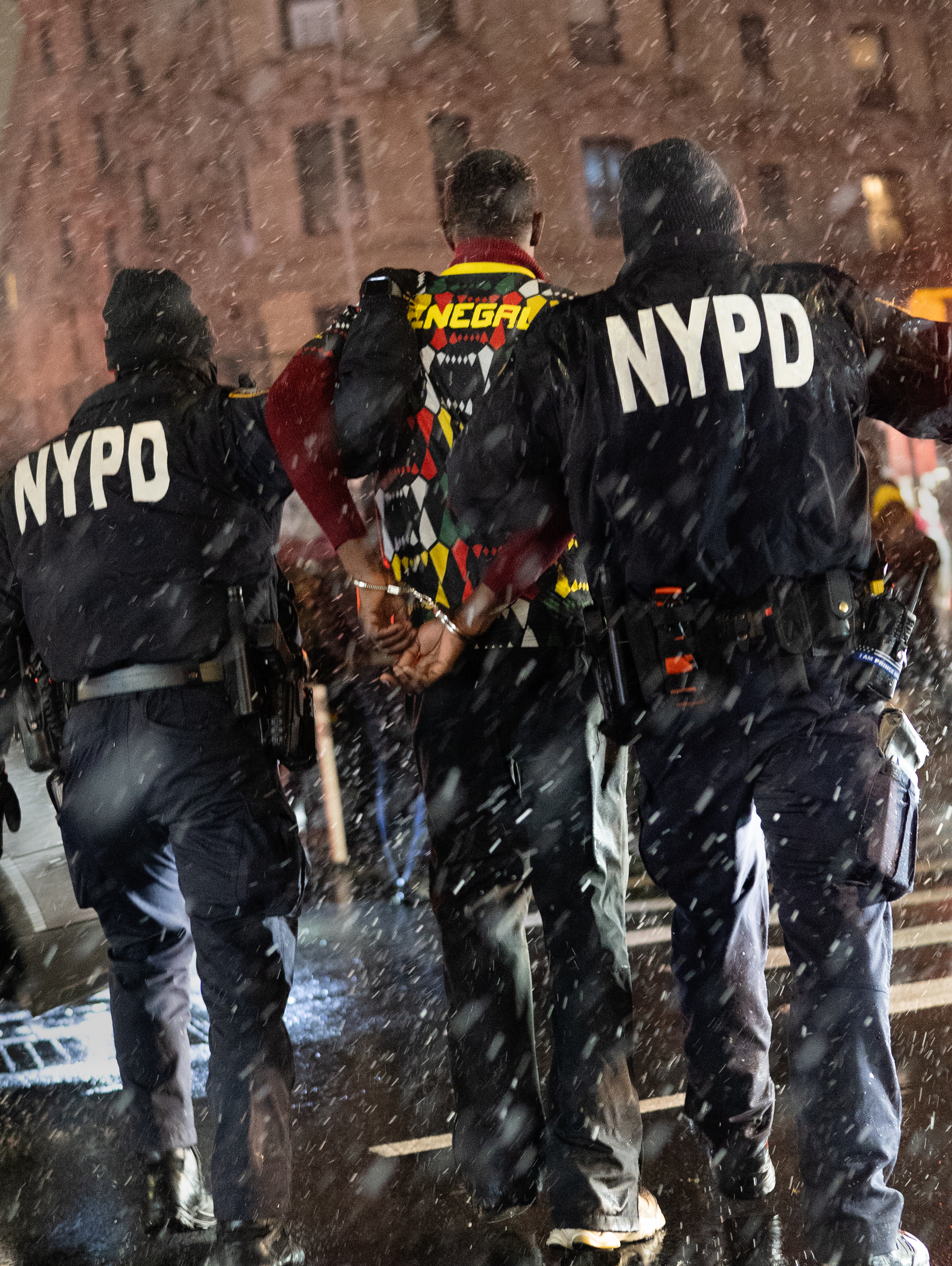
The Baye Fall are a branch of Senegal’s Mouride Sufi brotherhood, known for spiritual discipline, devotion, and mutual support. In New York, many young Baye Fall men—some of whom reached the United States after perilous journeys through South and Central America—are often seen only as street vendors or food-delivery workers. Having already endured significant hardship as immigrants, they now face intensified immigration enforcement that has placed them under growing psychological and financial pressure. Yet even as they say, “I’m afraid of ICE” or “I am struggling financially,” they continue to repeat, “Yalla baax na”, “God is good”, praying together and sustaining one another through faith.
“Over the next year, I hope to continue my ‘New York Baye Falls’ project by exploring the experiences of Senegalese family members—particularly women—whose husbands, sons, or brothers work as street vendors or food-delivery workers in New York City,” says Arisa. “I am seeking opportunities to travel to Senegal to photograph and interview their wives, mothers, and sisters, examining how migration, separation, and the faith of the Mouride Sufi brotherhood shape family life across borders, as well as how intensified immigration enforcement in the United States affects families in Senegal financially and emotionally.”