
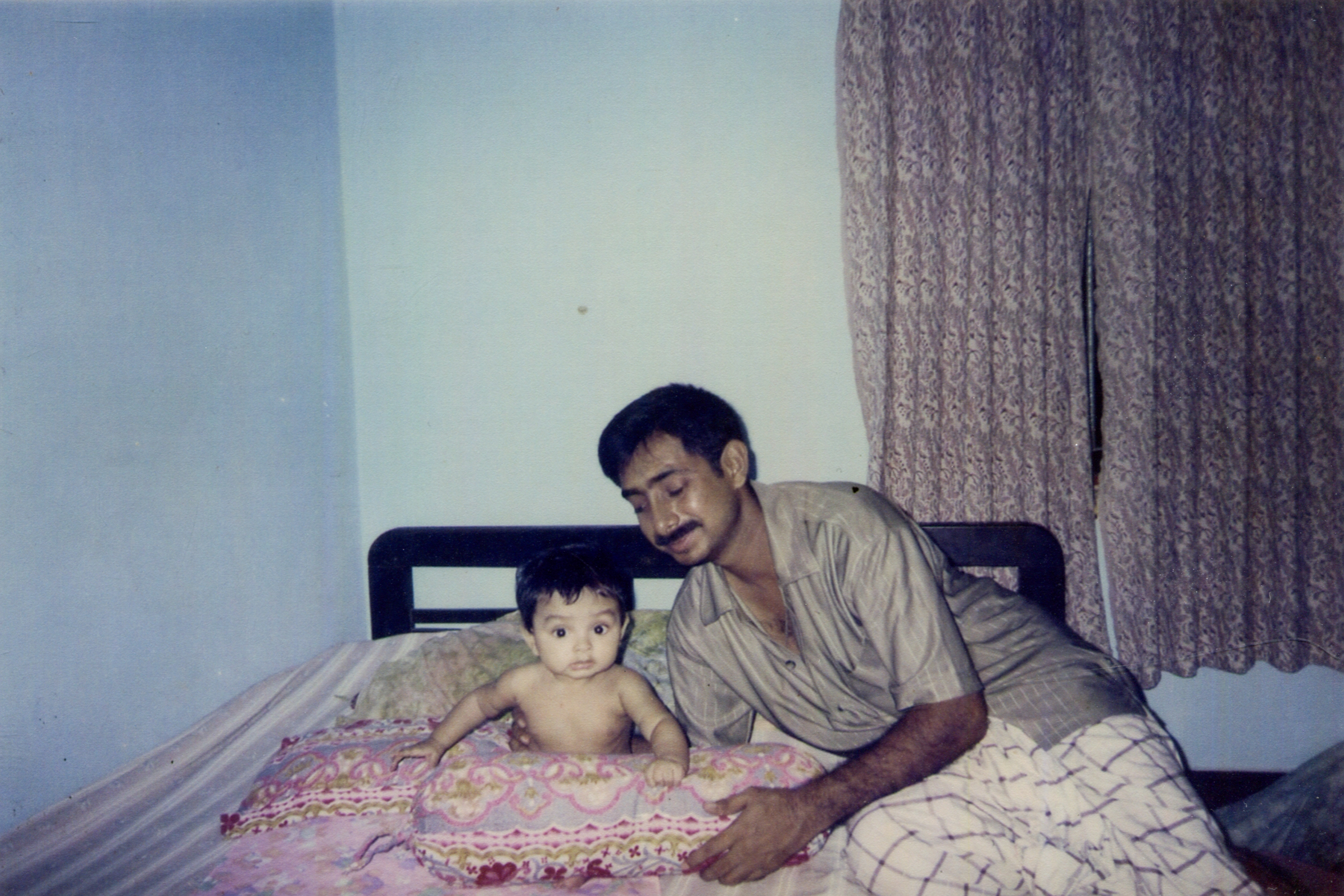
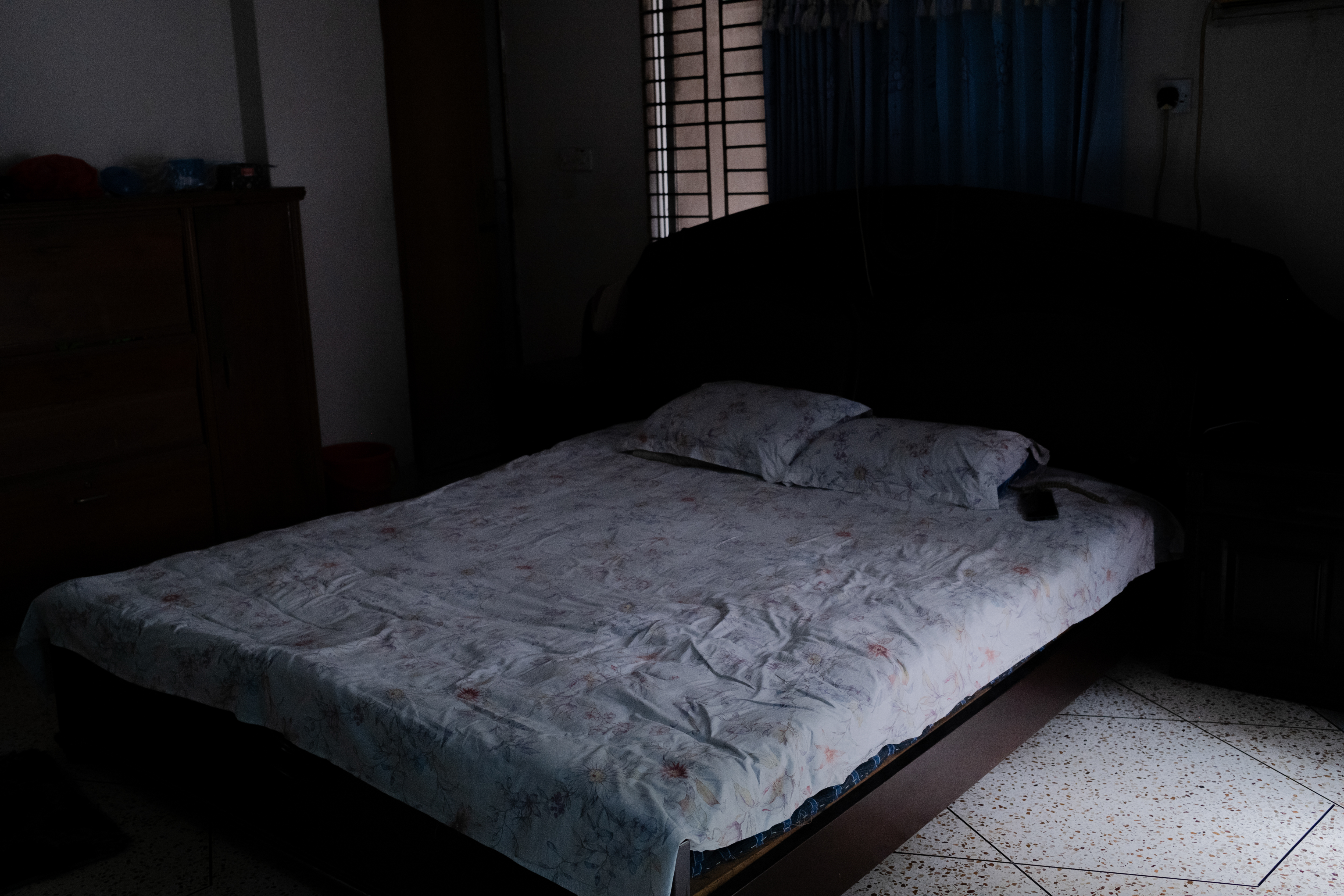
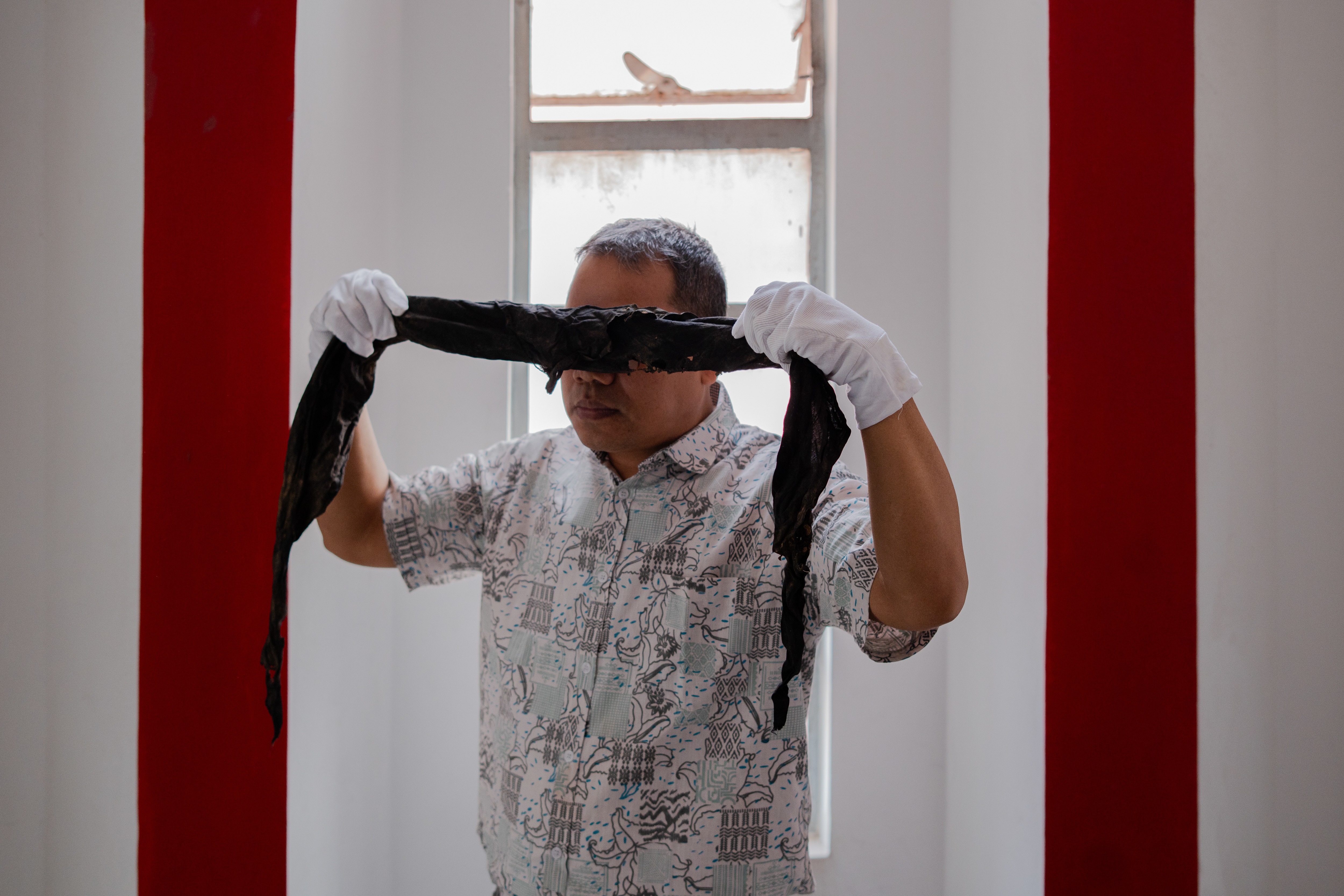
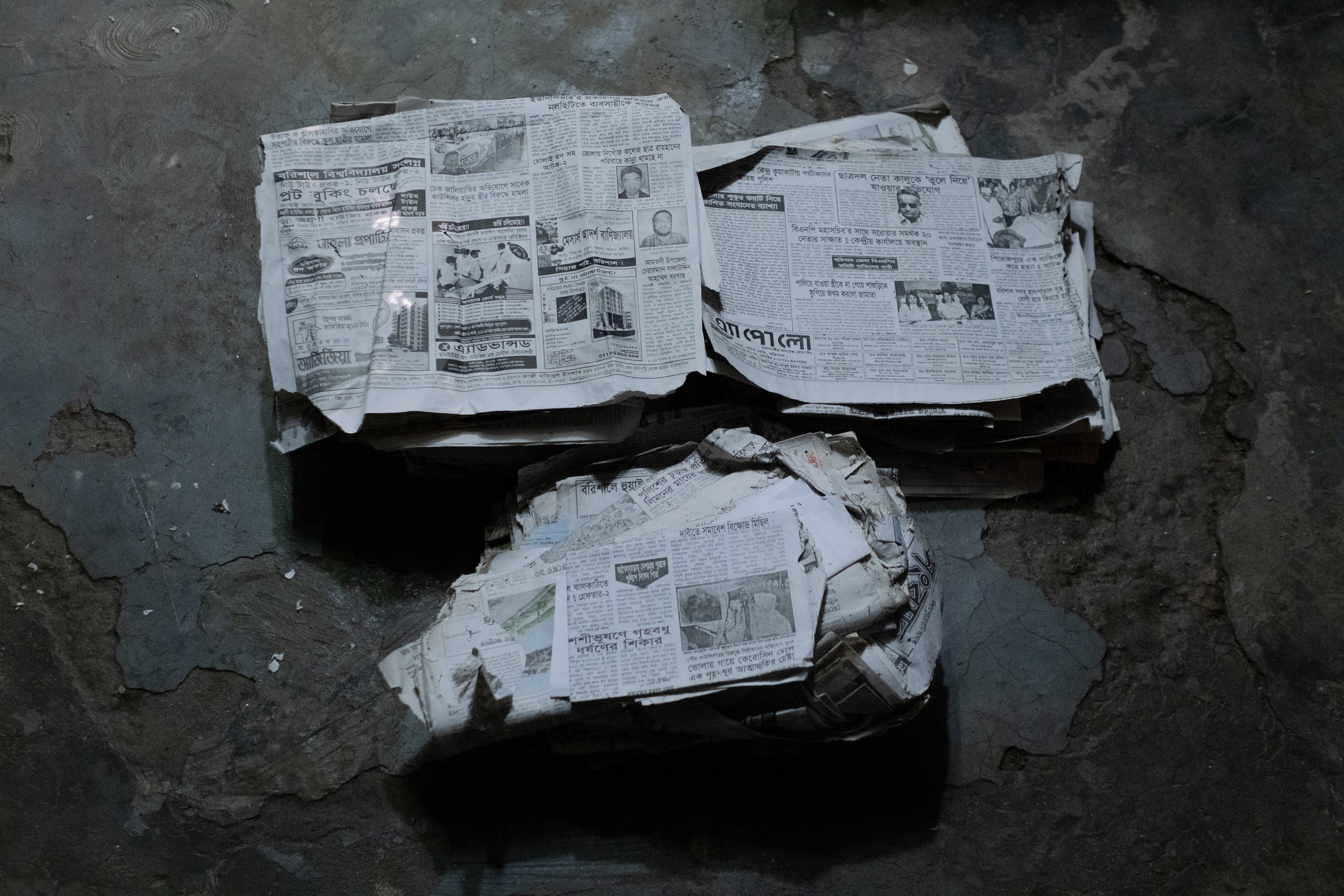
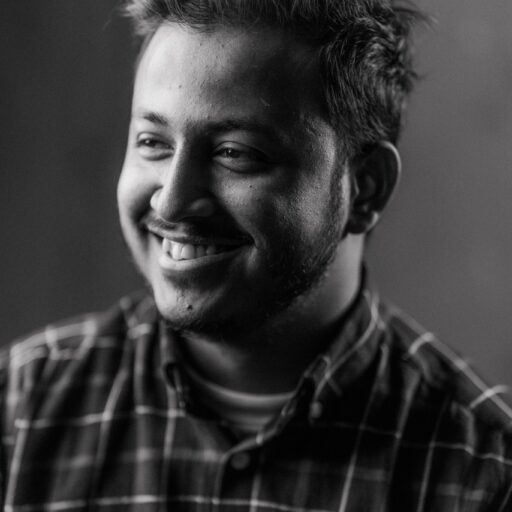
Mosfiqur Rahman Johan is an anthropologist and documentary photographer, born in Bangladesh in 1997. He has a passion for documenting humanitarian issues, environmental concerns, and socio-political events. Over the years, Johan has traveled extensively throughout Bangladesh to capture compelling visual narratives that raise awareness about social issues and shed light on lesser-known stories that deserve attention.
Johan studied anthropology to deepen his understanding of the complex issues he documents. There, he honed his skills in ethnography and research-based documentary techniques, which have helped him better capture the nuances and complexities of the cultures and societies he photographs.
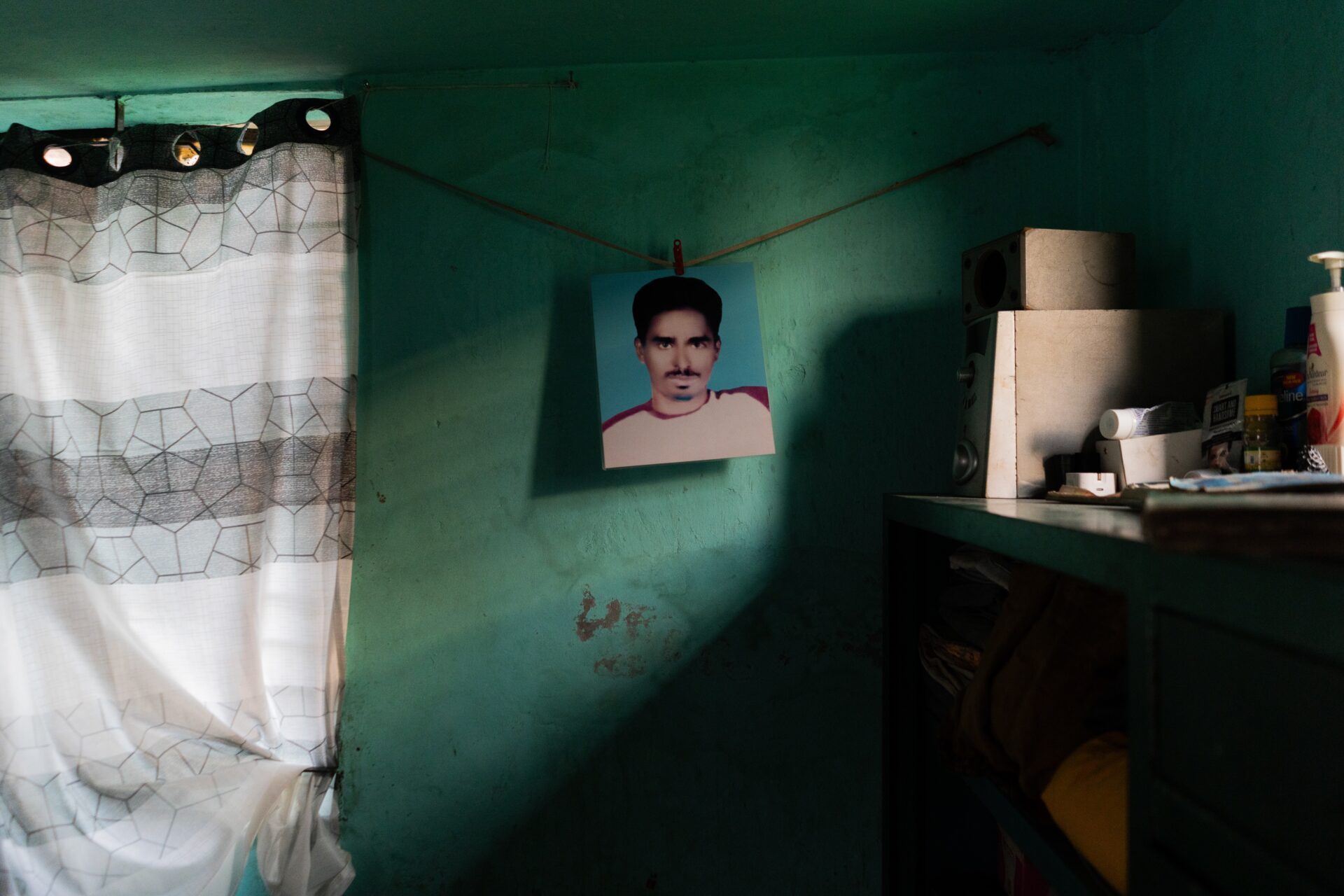
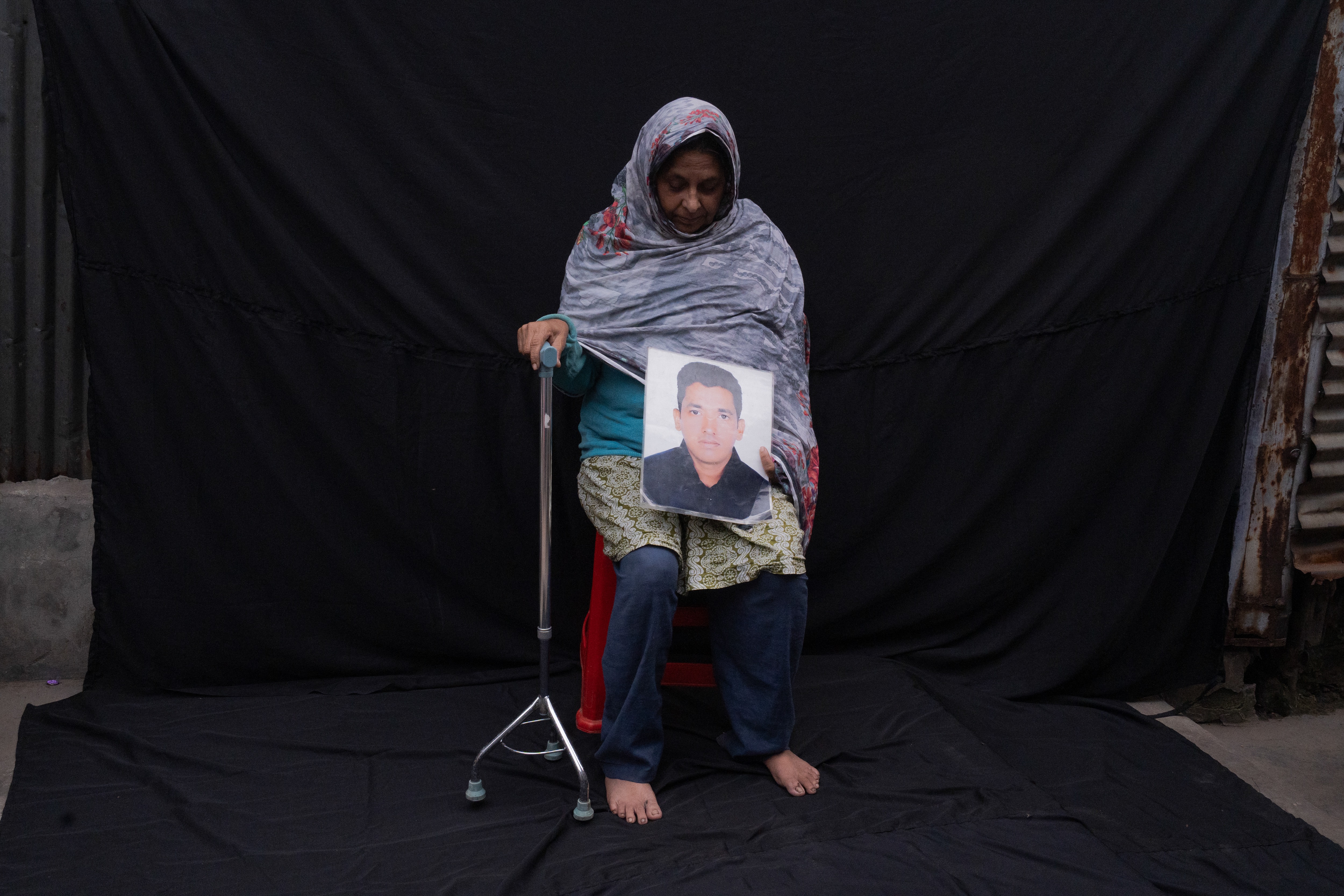
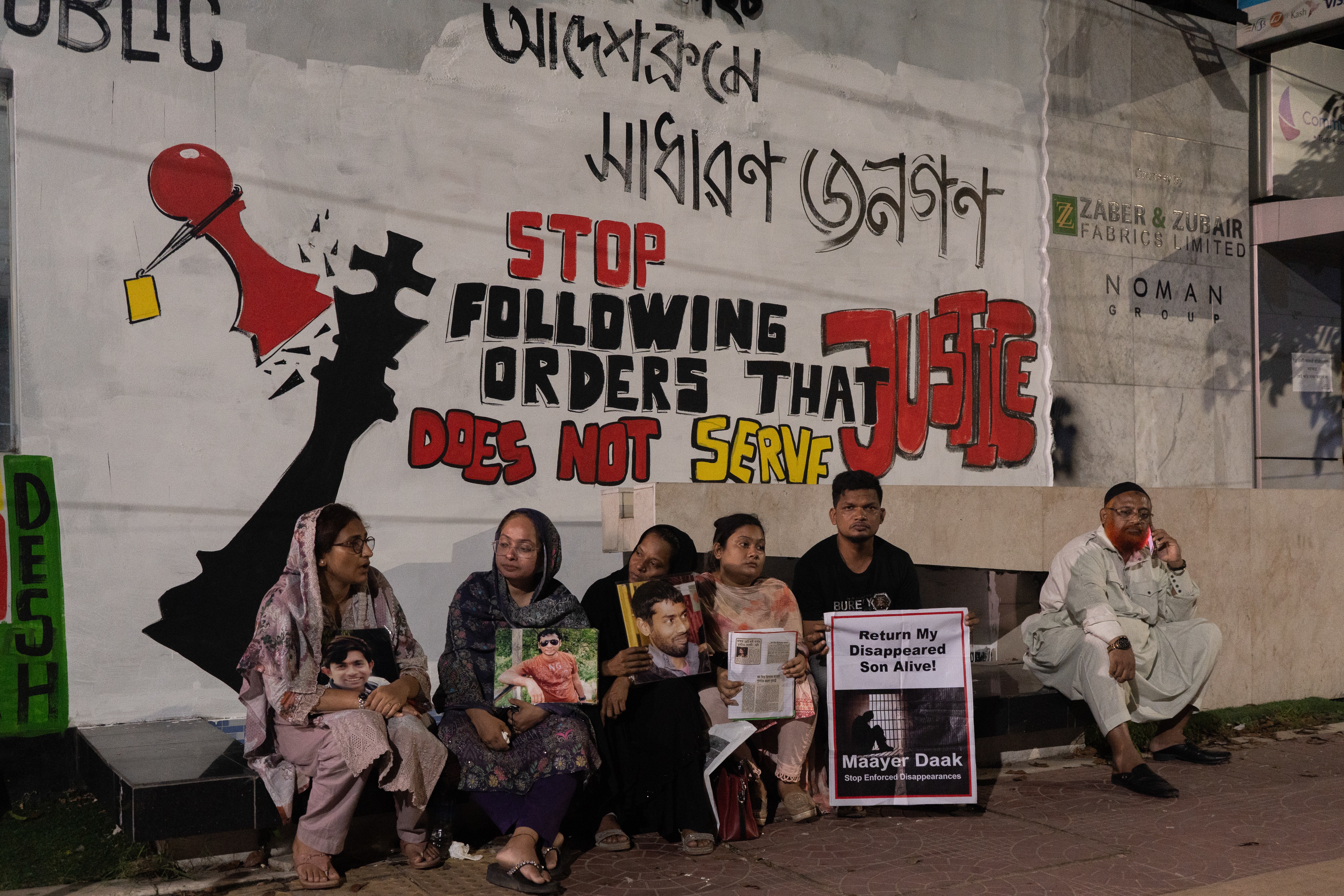
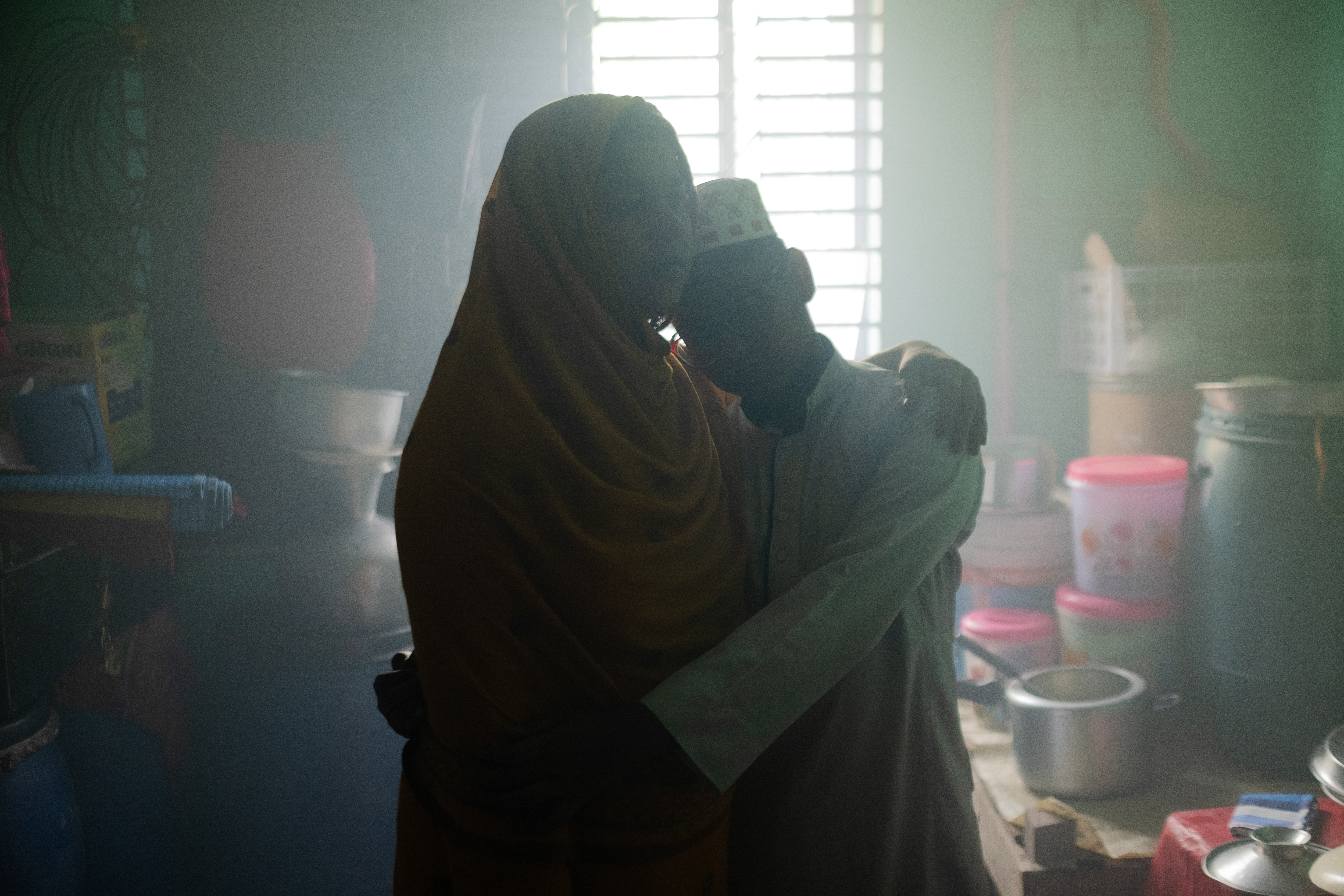
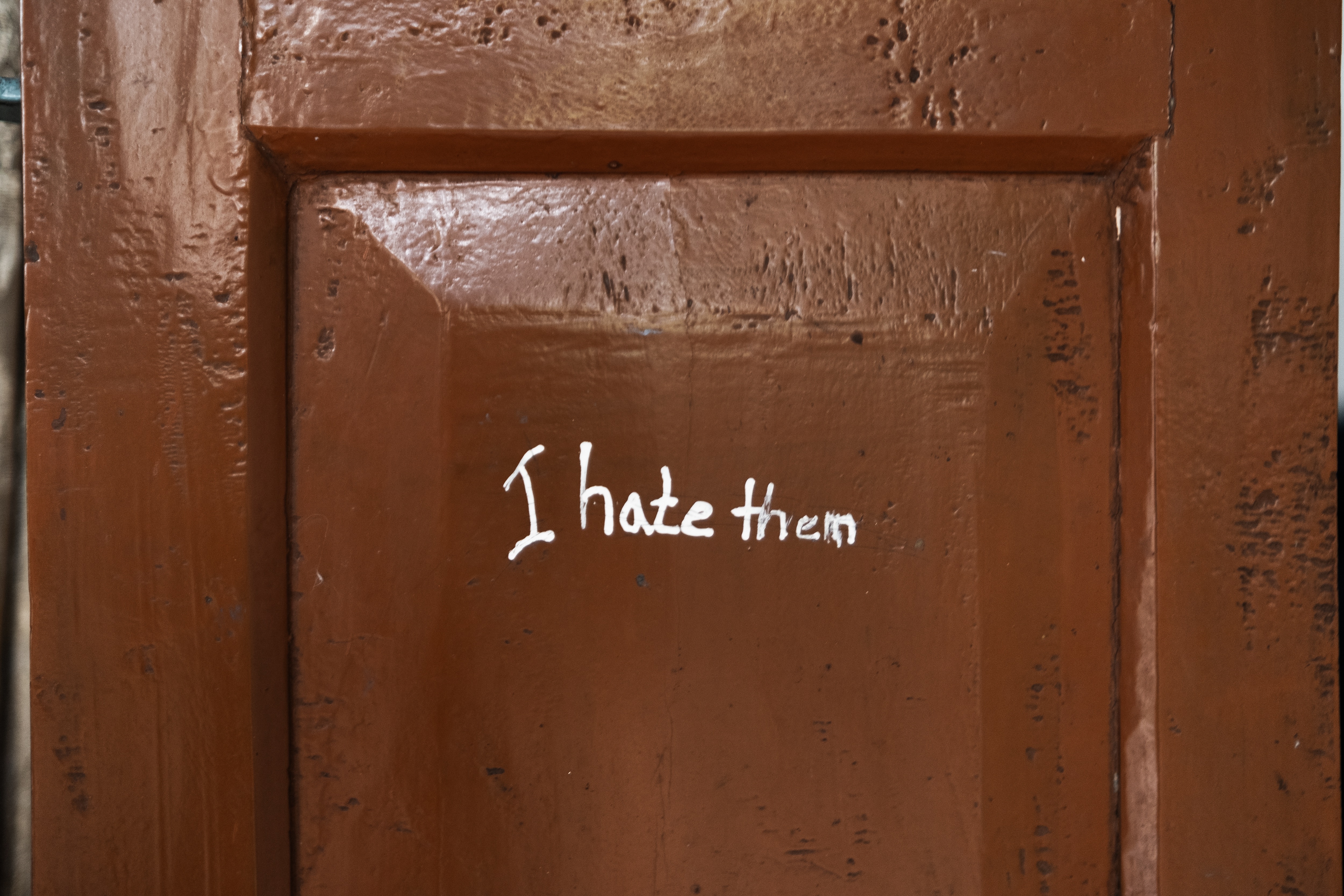
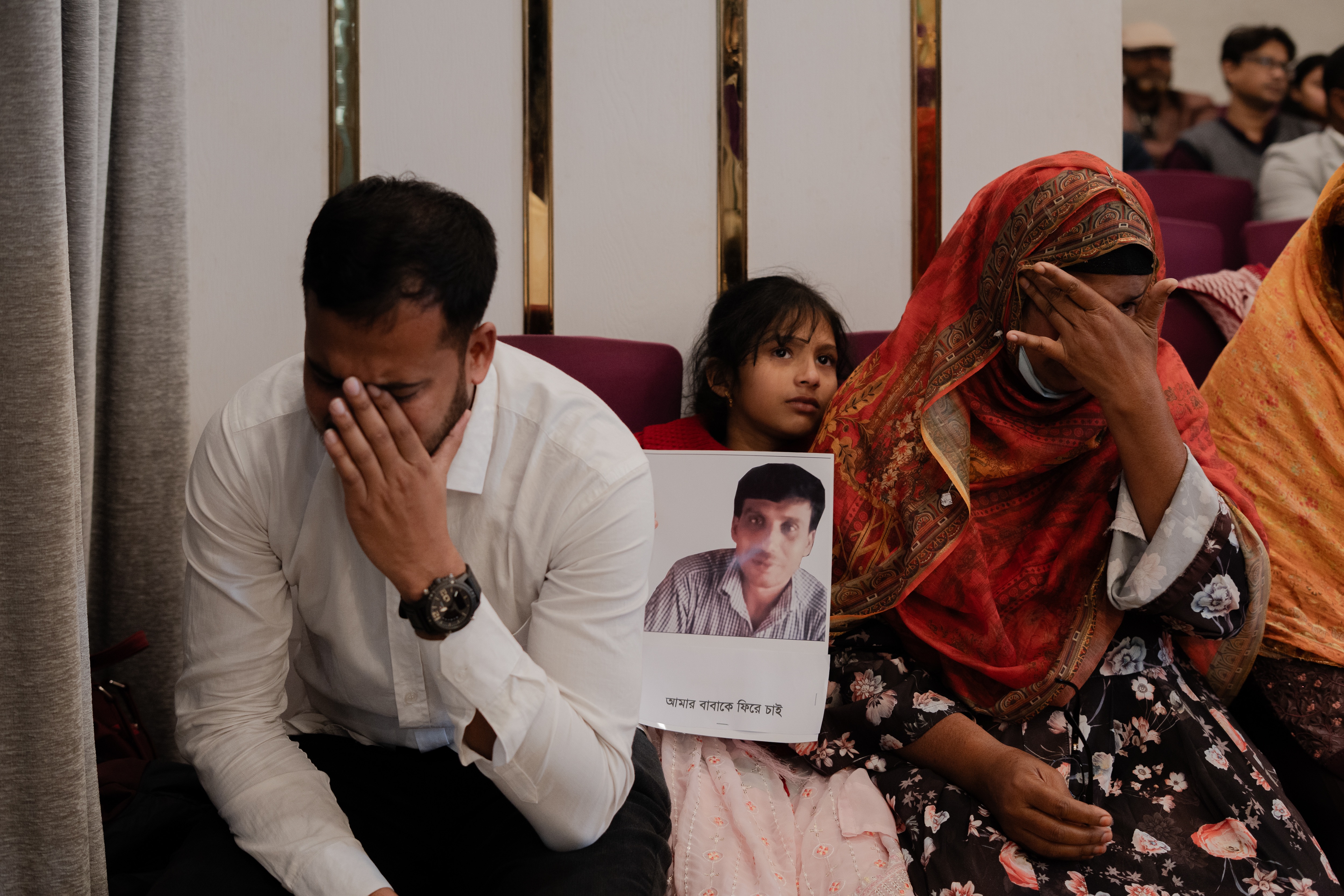
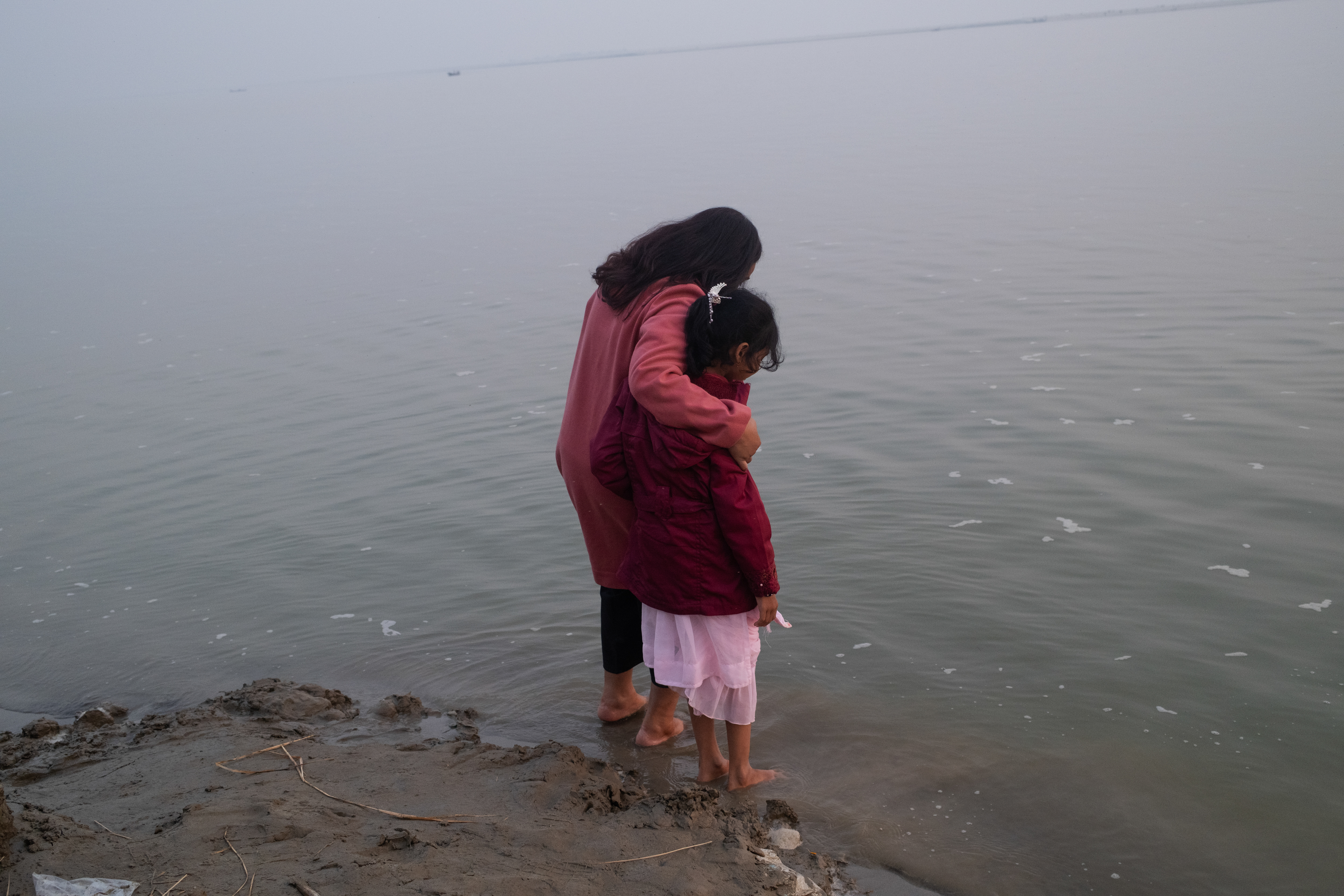
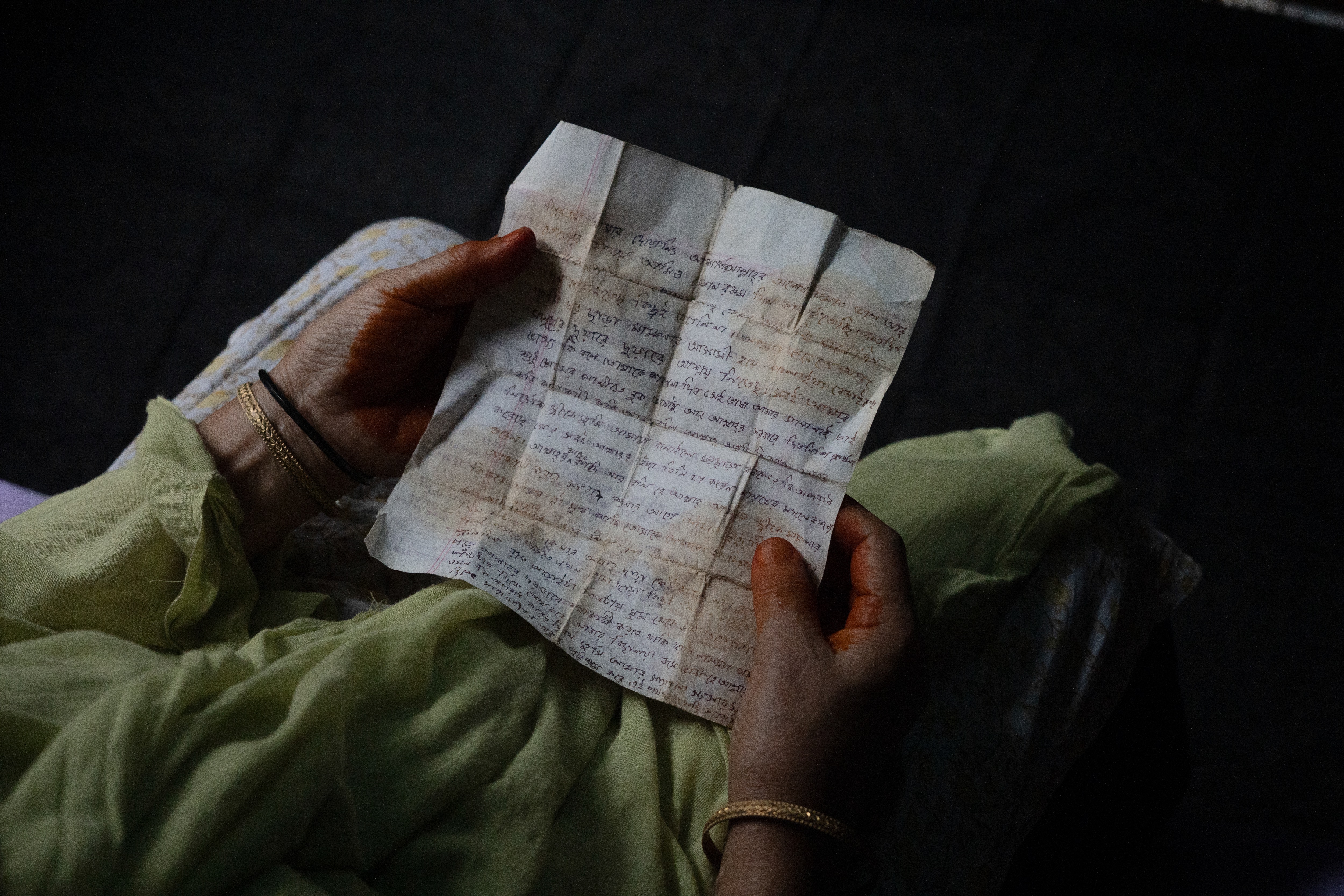
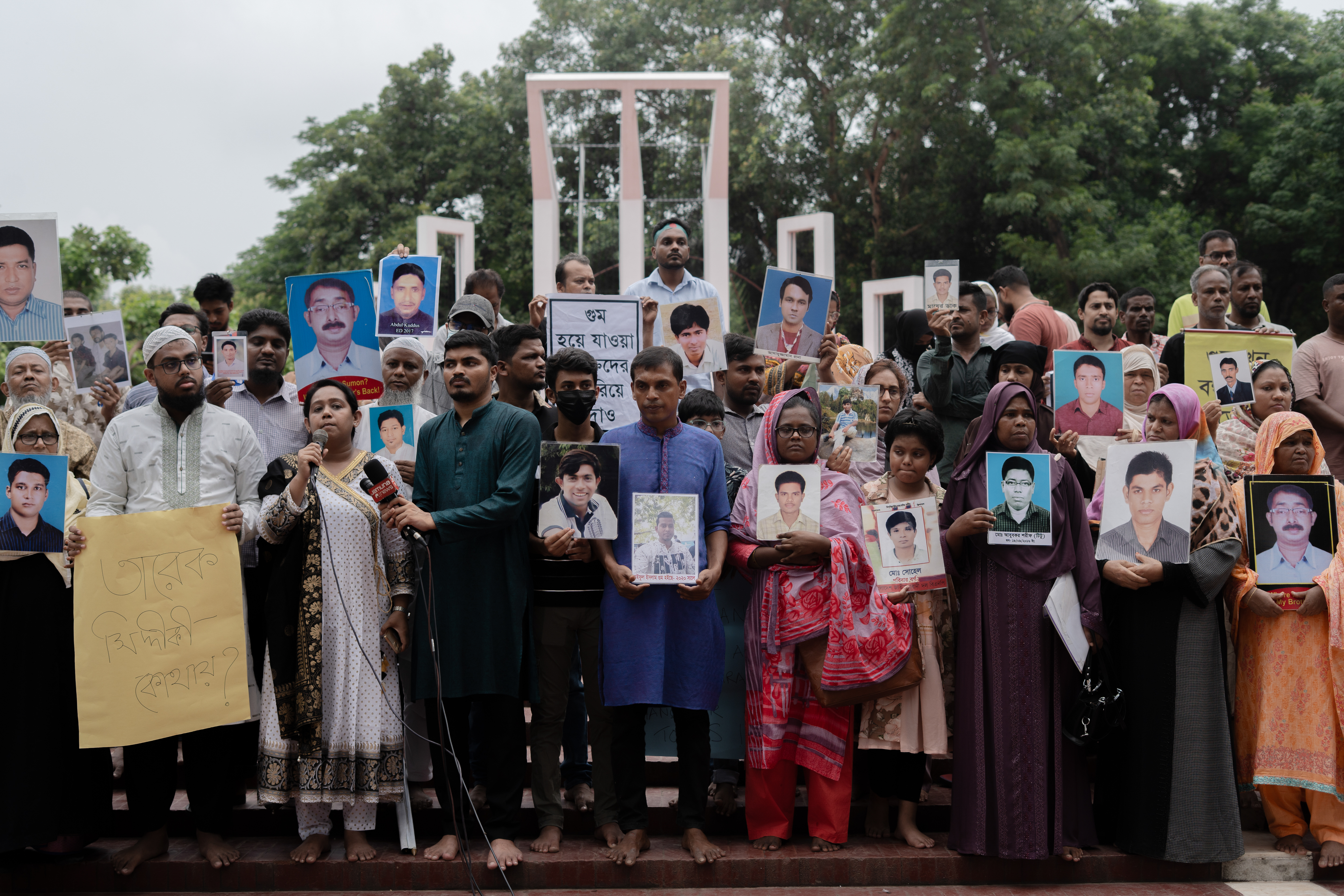
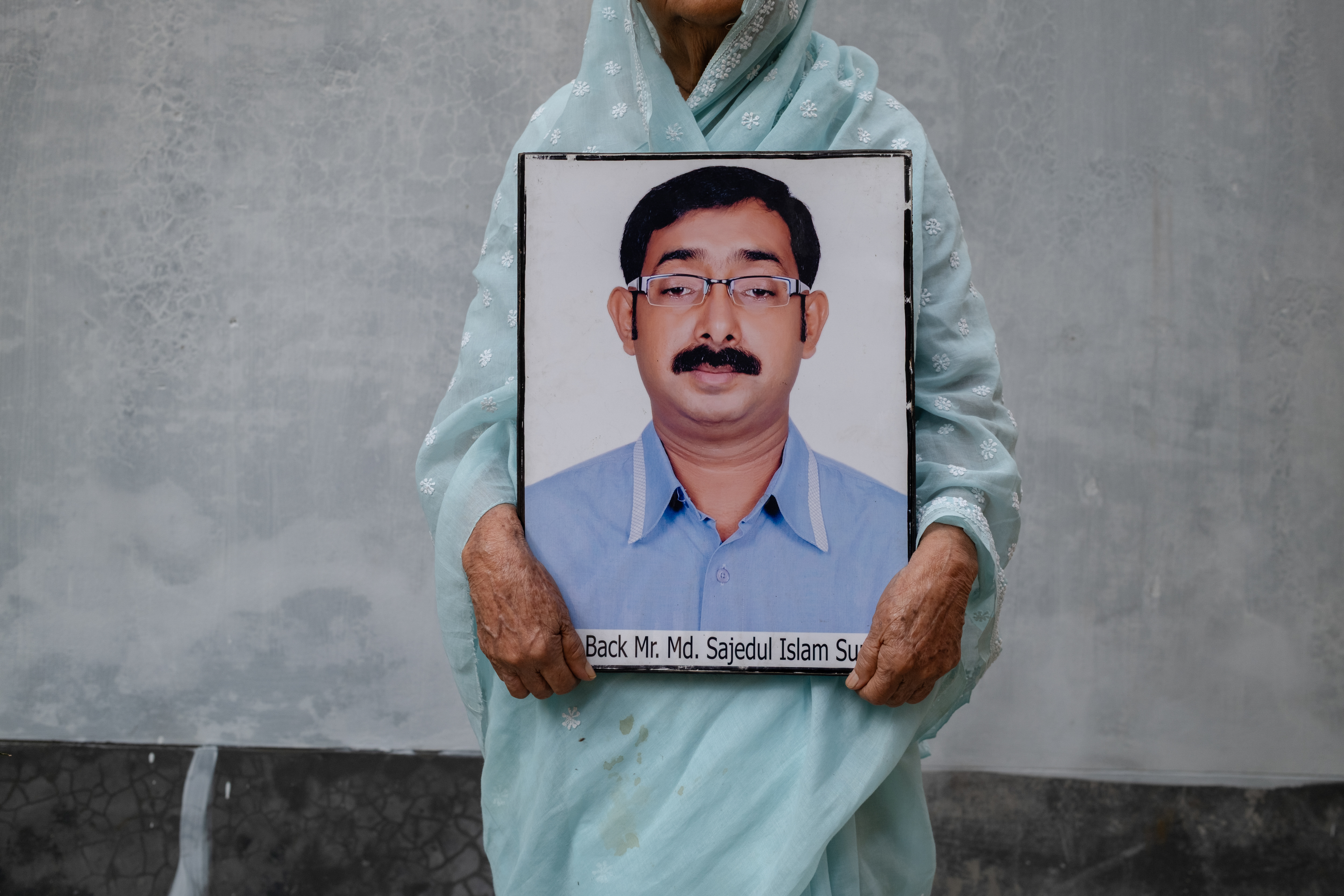
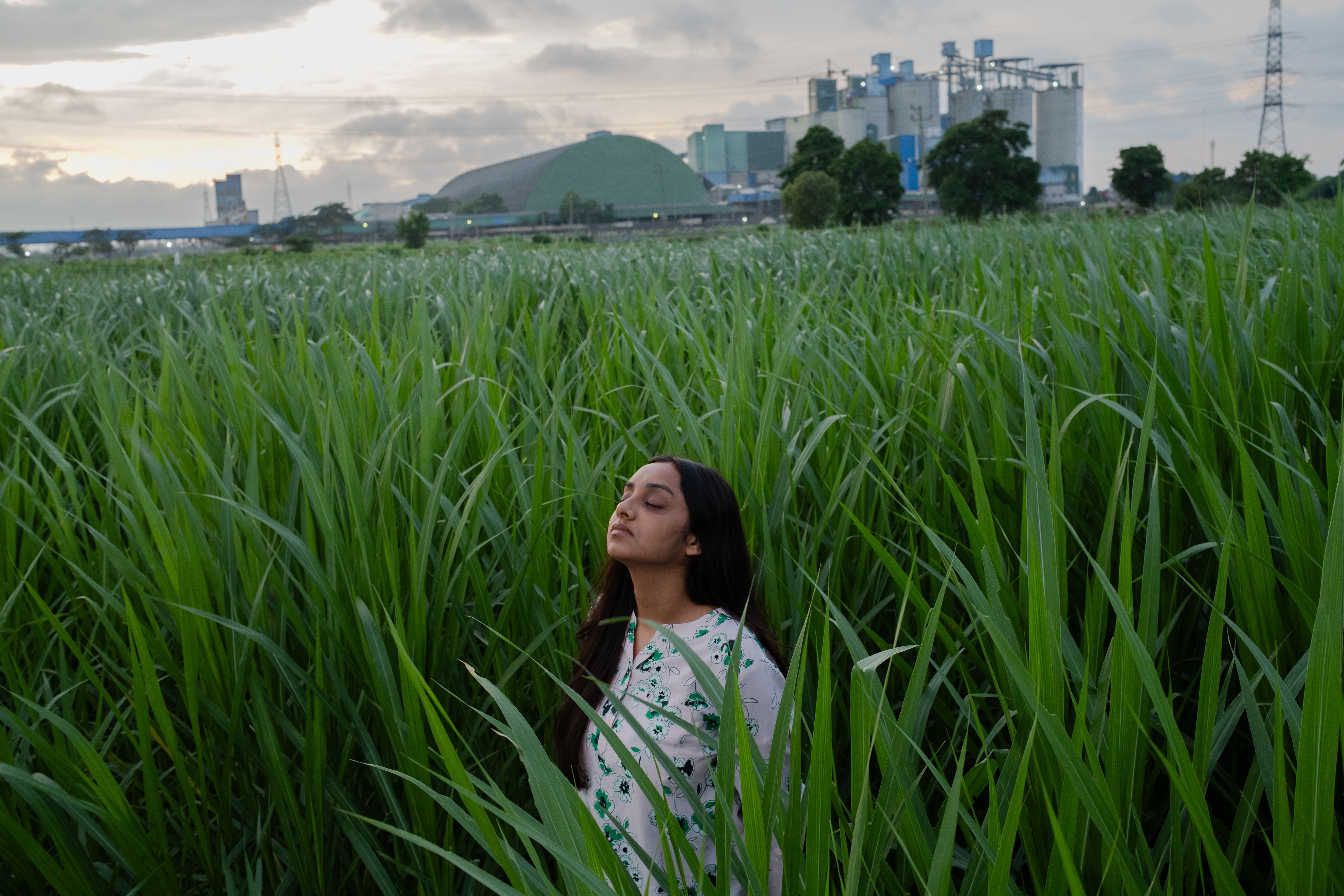
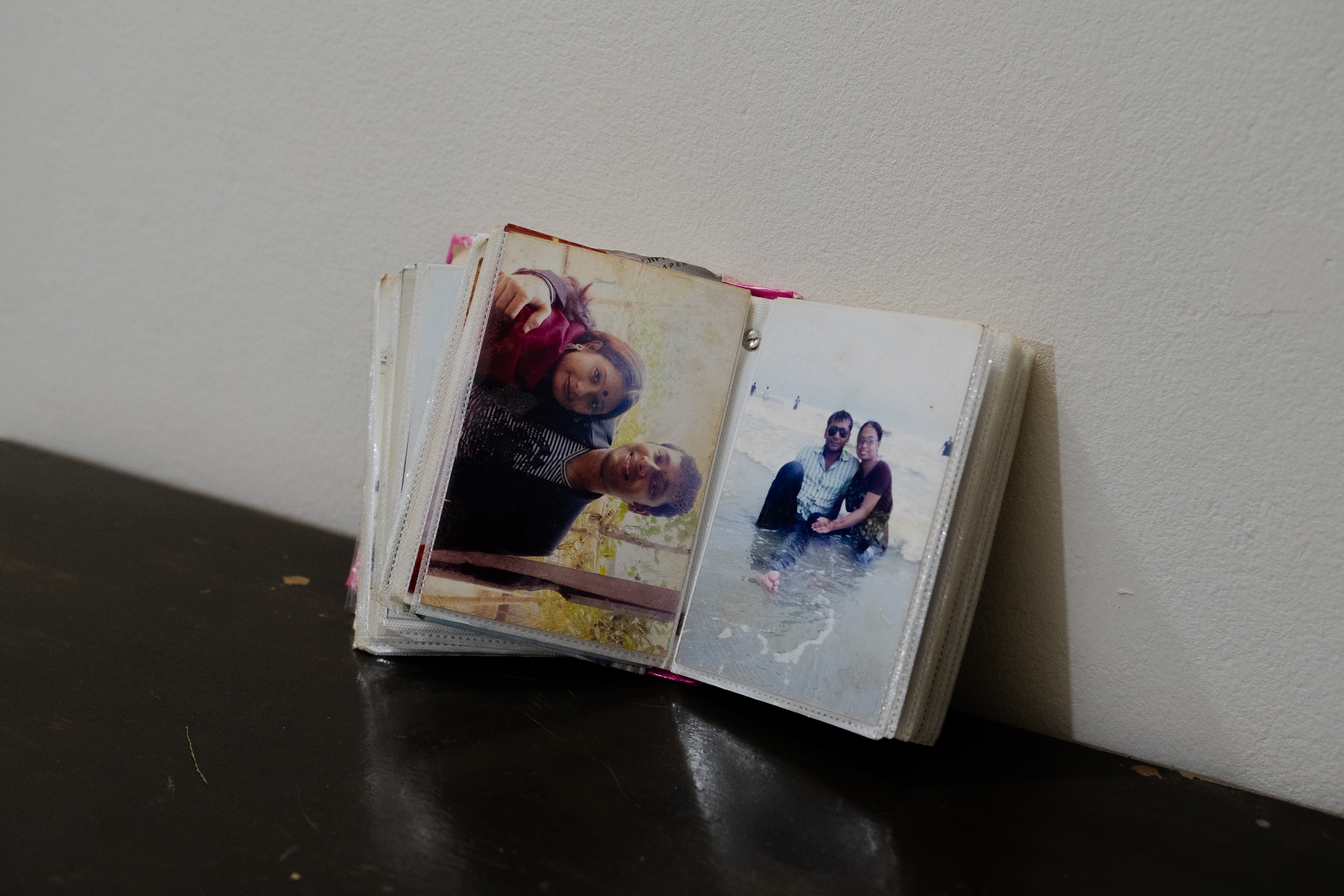
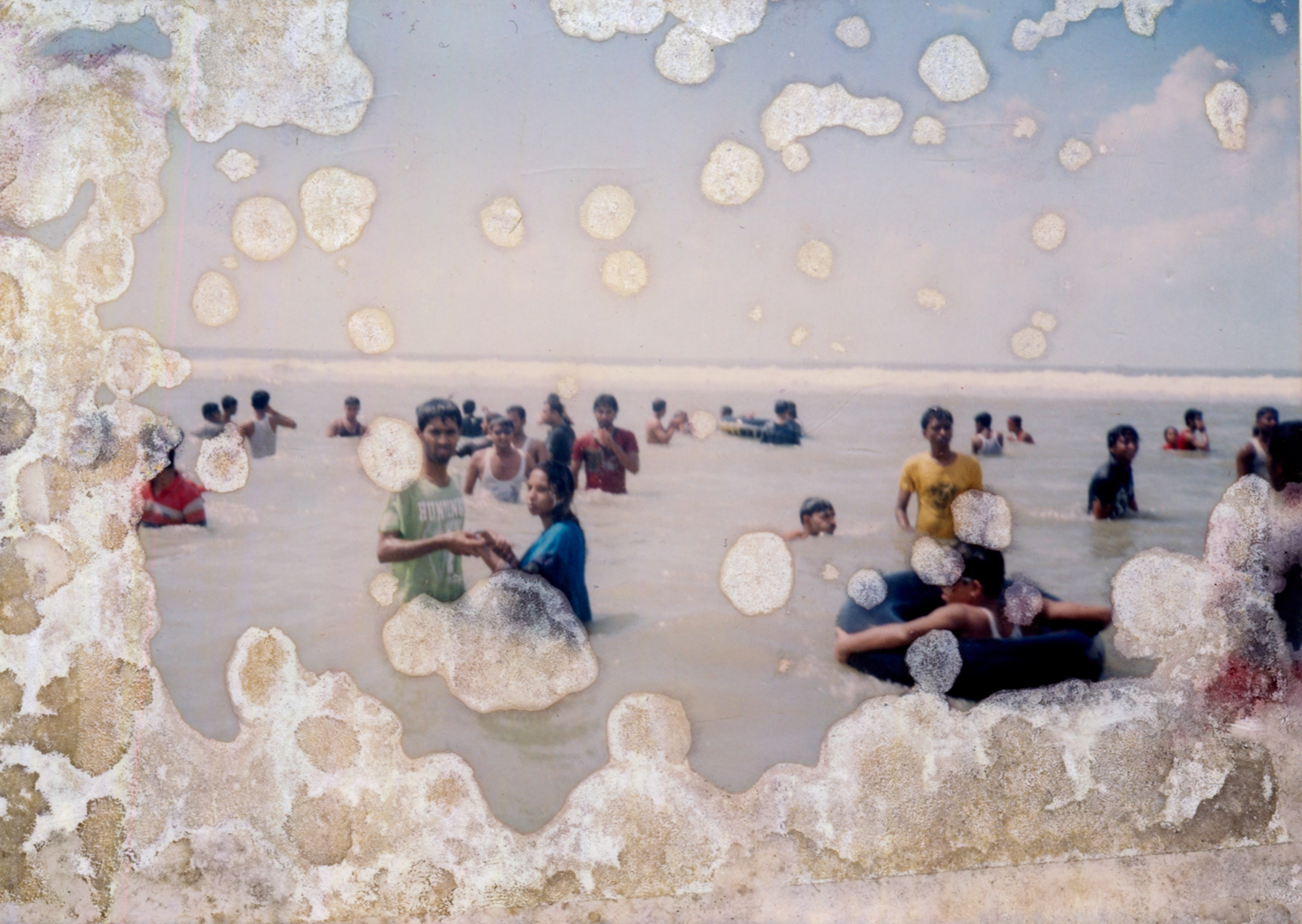
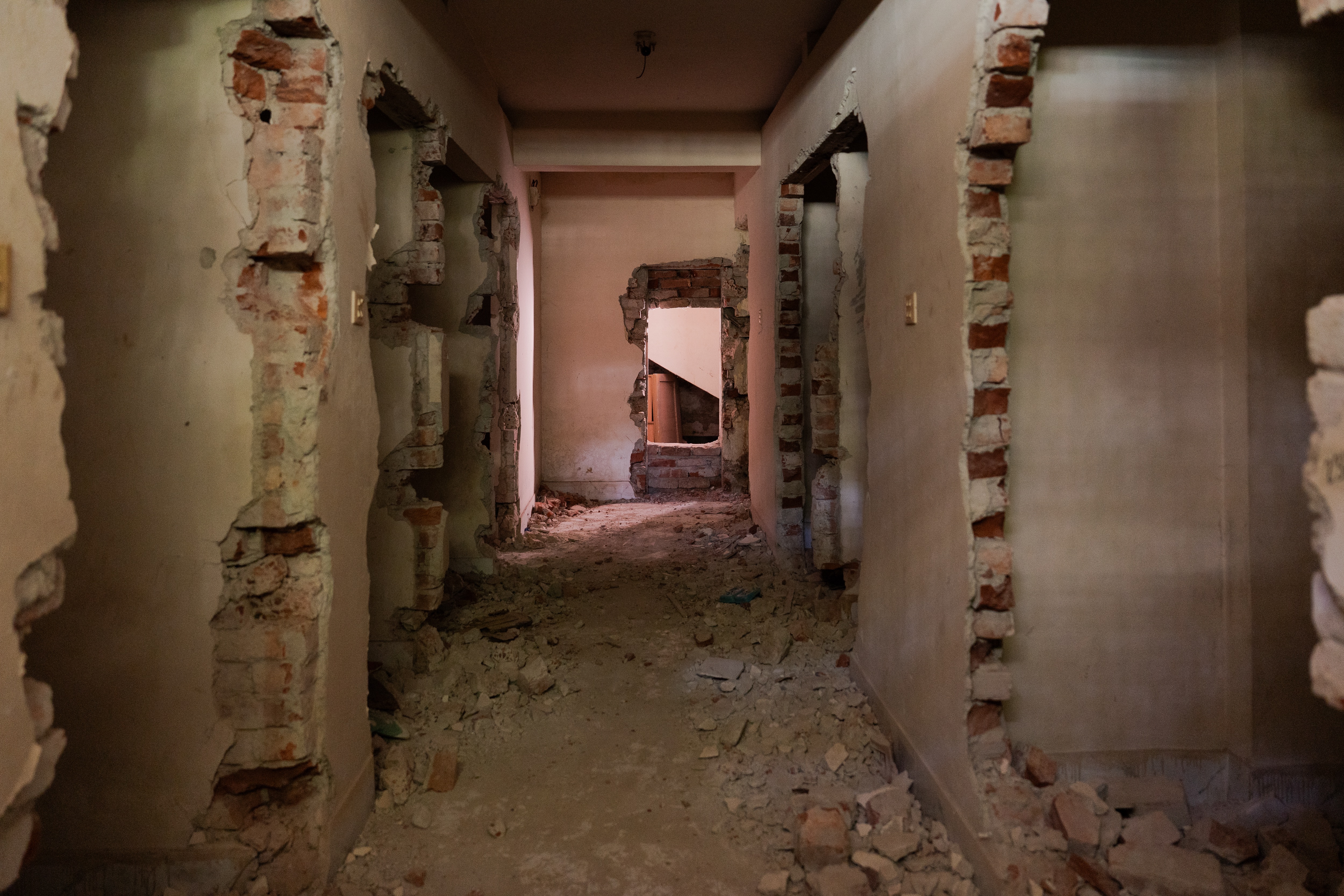
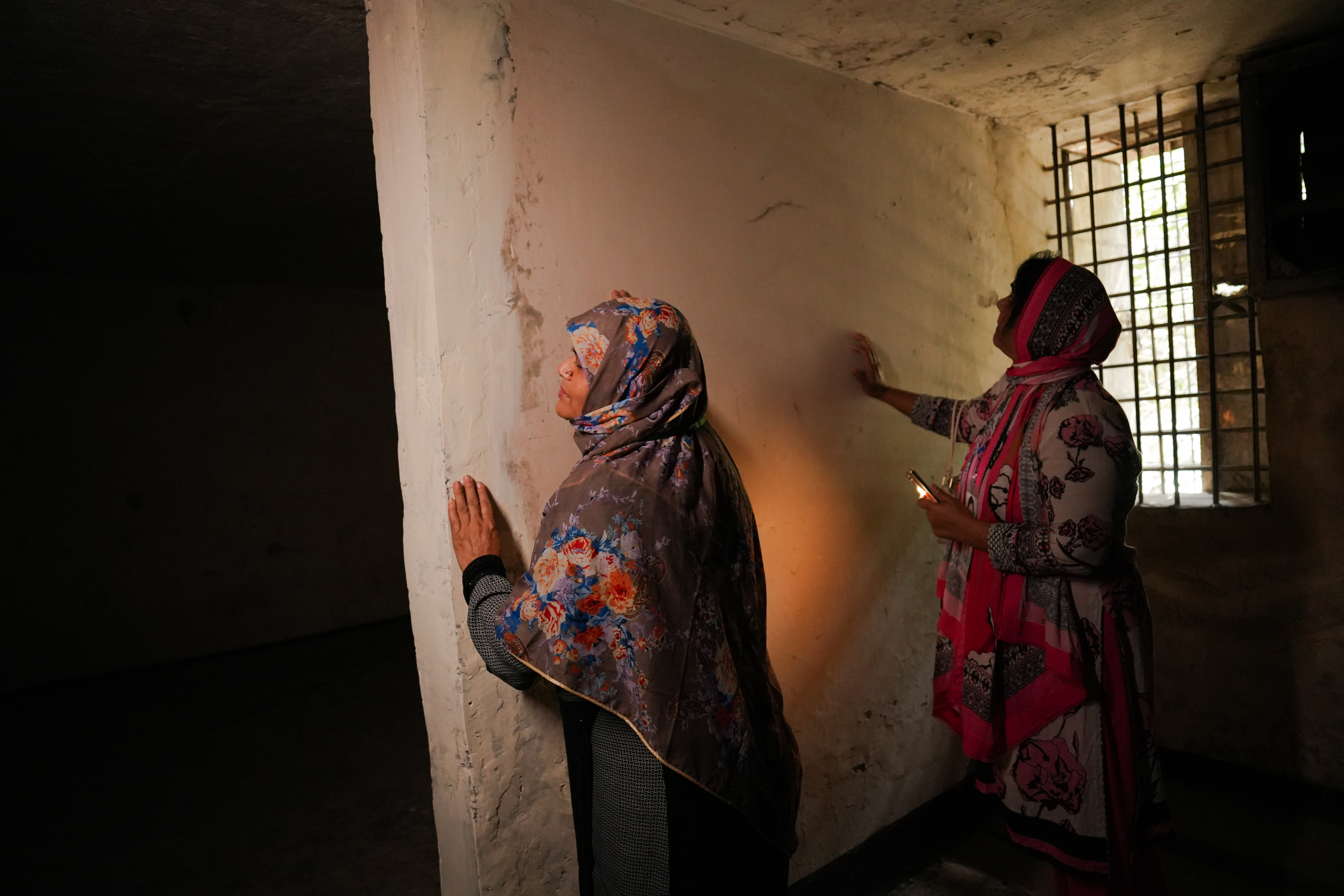
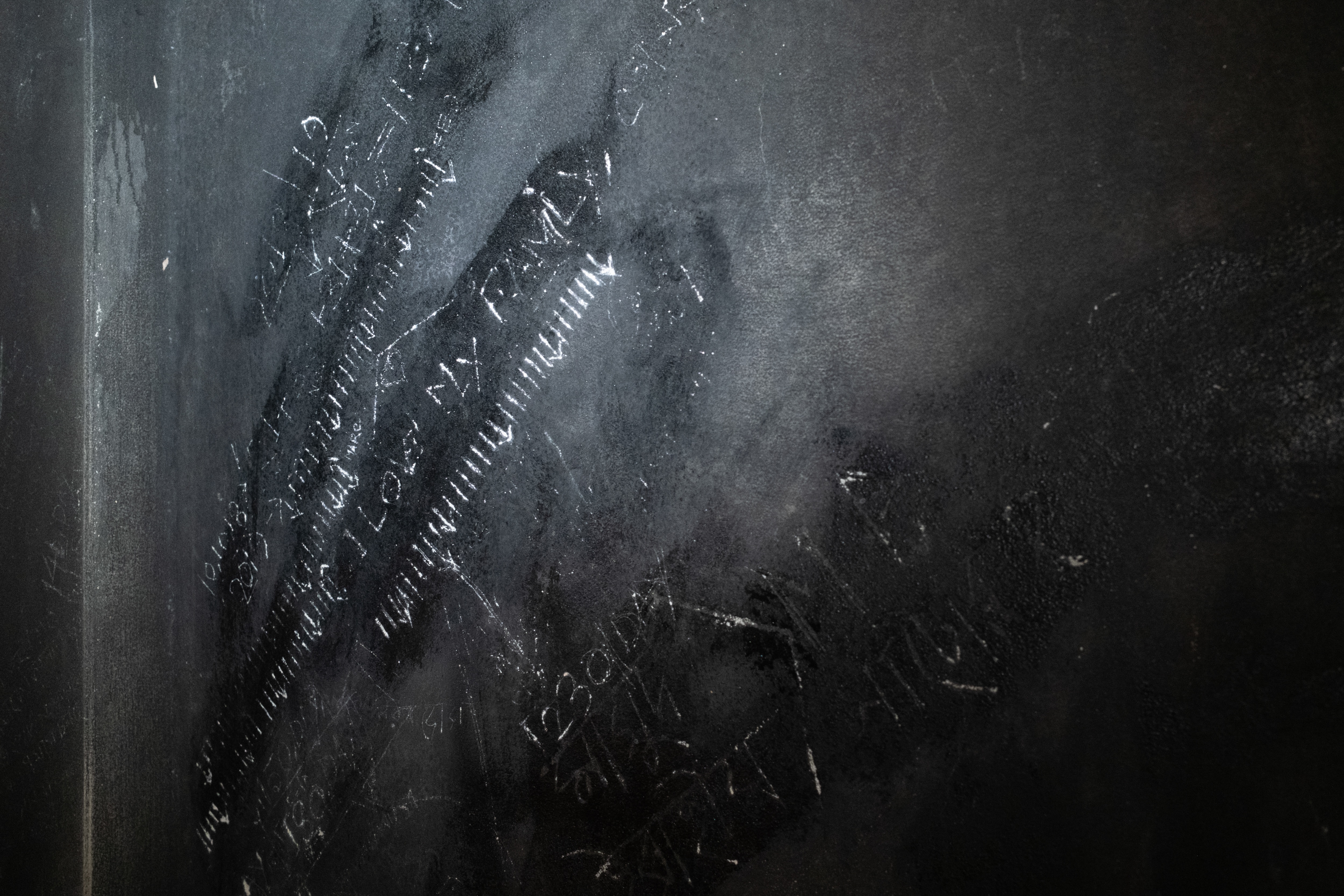
Johan’s artistic approach merges with long-term immersion, where he actively engages as a participant observer. Close contact with his subjects and systematic repetition help him avoid superficial interpretations, allowing him to convey layered, sensitive, and sometimes contradictory observations on complex issues such as enforced disappearance, the death penalty, police brutality, forced displacement, and environmental challenges. By exploring the memories of interlocutors, he addresses themes of resistance and resilience—often overlooked, yet crucial in shaping the broader socio-political narrative. Through narrative-driven documentation, he aims to portray the complexities of social dynamics and cultural identities, challenging perceptions and established discourses on state violence, securitization, gender subjectivity, policing, forced displacement, development, and environmental issues.Johan also explores a visual journal that delves into the profound psychological impact of losing one’s space and belongings. Through his work, he strives to connect fragmented memories and fading realities with the broader world, seeking solace and understanding in the shared human experience. His visual narrative explores loss, memory, and the unyielding passage of time, as he navigates the delicate balance between life and nothing more.
Johan’s works have been awarded, exhibited, and featured in international media and platforms worldwide.