

![Portrait of Grace, 17, [not her real name], her three-year-old daughter, and her 14-year-old sister, in the church she sings at in Kyangwali refugee settlement, Uganda, on June 5, 2019. She fled to Uganda from Ituri province in the Democratic Republic of Congo and has been living in Kyangwali for the last three months. A group of armed men killed her parents and raped her outside her home in the DRC in an attack on their village. She eventually escaped and made her way to her uncle's home, and later discovered she was pregnant with her daughter. She was scared to seek out an abortion because she thought she would die.
South Sudan and the eastern Democratic Republic of Congo likely top the list of the world’s most dangerous countries for women, as militant groups have used extreme sexual violence as a weapon of war in both troubled nations. Uganda has become a temporary home for women fleeing both crises, and currently hosts more than 1.25 million refugees. But abortion in Uganda is almost entirely illegal, leaving women who find themselves pregnant from rape with few safe options.
Globally, millions of women who have fled their homes because of conflict or crisis also face systemic rape and the resulting pregnancies. Despite the clear need -- refugee women face among the highest levels of sexual violence in the world -- abortion services are almost nonexistent in refugee camps. "Why don't women raped in conflict have a right to abortion?" is a question that indicts some of the most powerful individuals and institutions, while zeroing in on the experiences and stories of some of the most marginalized people.](https://theviifoundation.org/app/uploads/2017/10/ns-portfolio-15-nichole-sobecki.jpg)




Contributing Photographer
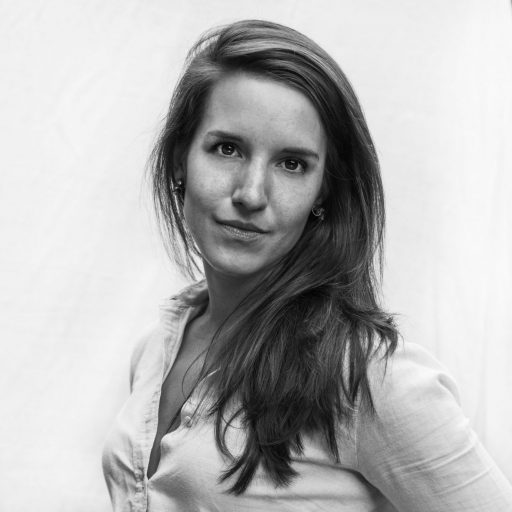
Nichole Sobecki is an American photographer and filmmaker based in New York, USA, and Nairobi, Kenya.
After graduating from Tufts University, Nichole spent the early years of her career in Turkey, Lebanon, and Syria, focusing on regional issues related to identity, conflict, and human rights. From 2012-2015, she led Agence France-Presse’s East Africa video bureau and was a 2014 Rory Peck Awards News Finalist for her coverage of the Westgate mall attacks in Kenya. Nichole’s work has been recognized by Pictures of the Year, the One World Media Awards, the Alexandra Boulat Award for Photojournalism, The Magenta Foundation, and The Jacob Burns Film Center, among others, and her work has been exhibited internationally.
She is a contributor to Everyday Africa, a collection of images shot on mobile phones across the continent, and an attempt to showcase the moments missing from dramatic news images — everyday life that is neither idealized nor debased.
Nichole aims to create photographs and films that demand consideration for the lives of those represented – their joys, challenges, and ultimately their humanity.